The History of Healing
 History of Flu: Symptoms, Care, and Prevention
“Discover the history of flu and learn how to identify symptoms, provide care, and prevent outbreaks. Get informed and stay safe.”

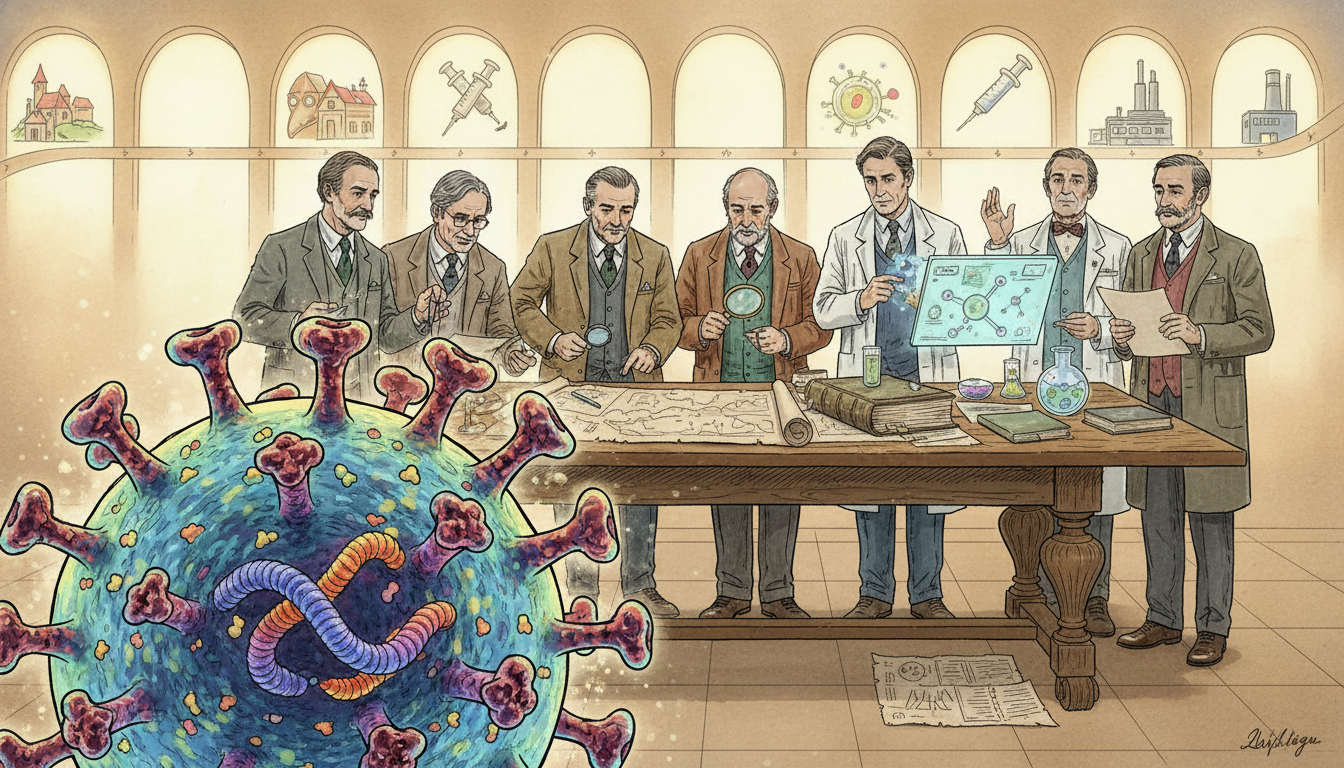
Get ready for a surprising fact: in a typical year, influenza leads to up to 650,000 respiratory-related deaths around the globe. That’s a staggering number for a disease many of us think of as just a bad cold.
You’ve probably experienced this illness yourself. But have you ever wondered about the wild story behind the virus that’s been with us for centuries? We’re diving into a tale that’s both fascinating and, at times, pretty terrifying.
This isn’t a dry medical textbook. Think of it as a friendly chat about one of the world’s most common respiratory illnesses. We’ll explore everything from history-changing pandemics to the science of why this virus keeps coming back.
You’ll learn what symptoms to really watch for and get practical tips to protect yourself and your loved ones. Understanding this disease is your first step toward staying healthier.
Key Takeaways
- Influenza is a major global health issue, causing millions of severe cases annually.
- The virus has a long and impactful history that has shaped human events.
- Recognizing the full range of symptoms is crucial for proper care.
- Practical prevention strategies can significantly reduce your risk of getting sick.
- The influenza virus evolves constantly, which is why new vaccines are developed each year.
- Knowledge about this common illness is a powerful tool for personal and family health.
Historical Overview of Influenza Outbreaks
Picture this: five major influenza outbreaks have swept across the globe since 1900, each leaving its unique mark. These weren’t just bad cold seasons—they were world-changing events that reshaped how we think about public health.
Major Pandemic Events
The Spanish flu of 1918-1920 stands as the most severe influenza pandemic in modern history. It claimed an estimated 50-100 million lives worldwide—more casualties than World War I itself. But this virus didn’t stop there.
In 1957, the Asian flu emerged, followed by the Hong Kong flu in 1968. Each pandemic caused millions of deaths and taught us valuable lessons about disease spread. The 2009 swine flu reminded us that influenza remains a serious threat even in our modern era.
Evolution Over Decades
What’s fascinating is the pattern. Since the late 1800s, new influenza strains have caused pandemics every 10 to 50 years. This rhythm shows how the virus constantly evolves.
Each outbreak gave scientists crucial insights. We learned how the disease spreads and what measures actually work to protect people. Understanding this history helps explain why monitoring influenza viruses remains so important today.
Evolution of Influenza and Its Impact
Ever wonder why influenza keeps coming back year after year? It’s not just bad luck—this virus has some seriously clever evolutionary tricks up its sleeve.
The influenza virus is a master of disguise. It constantly changes to outsmart our immune systems. This evolutionary dance explains why we face new challenges with this infection annually.
Antigenic Drift
Antigenic drift is the sneaky, gradual change process. The virus accumulates tiny mutations over time. Think of it like getting small cosmetic changes that eventually create a whole new look.
This is exactly why you need a new influenza vaccine every single year. Last year’s protection won’t recognize this year’s modified virus. It’s nature’s way of keeping us on our toes.
| Feature | Antigenic Drift | Antigenic Shift |
|---|---|---|
| Speed of Change | Gradual, continuous | Sudden, dramatic |
| Impact | Seasonal outbreaks | Pandemic potential |
| Vaccine Response | Annual updates needed | New vaccines required |
| Genetic Mechanism | Small mutations | Major reassortment |
Antigenic Shift
Now for the dramatic makeover—antigenic shift. This occurs when two different influenza viruses swap genetic material. They create something completely new that nobody’s immune system has seen.
“The segmented genome of influenza viruses makes them particularly adept at genetic reshuffling, creating novel subtypes that can spread rapidly.”
This process can produce dangerous new virus subtypes. When a novel strain emerges, it can cause widespread infection. Understanding these mechanisms helps explain influenza’s persistent threat.
Exploring the Flu: Causes and Characteristics
Did you know that influenza isn’t just one single virus but a whole cast of characters with varying levels of impact? These different viruses have unique personalities that determine how sick they make us.
Understanding this viral family helps explain why some seasons hit harder than others. It’s like dealing with different types of troublemakers at a party.
Influenza Virus Subtypes
Meet the main players: types A, B, C, and D. Influenza A and B are the real troublemakers you hear about most. They’re the ones causing those seasonal epidemics that fill doctors’ offices every winter.
Influenza C is much milder, mostly affecting children with barely noticeable symptoms. Influenza D prefers cattle and pigs, rarely bothering humans. The A type gets extra complicated with its H and N surface proteins.
That’s why you hear terms like H1N1 or H3N2. Currently, H1N1 and H3N2 are the main influenza A subtypes circulating among people.
Transmission Mechanisms
So how does this virus family spread? Primarily through respiratory droplets—those tiny particles that spray out when someone coughs or sneezes near you.
But here’s the sneaky part: the influenza virus can survive on contaminated surfaces for hours. Doorknobs, phones, and keyboards become temporary homes for these pathogens.
This means you can pick up an infection by touching a contaminated surface and then touching your face. It’s why hand hygiene becomes so crucial during peak season.
Recognizing Common Flu Symptoms and Signs
When influenza hits, it doesn’t just knock politely—it kicks the door down and makes itself at home. The onset of symptoms is famously sudden, often leaving you wondering what hit you.
These symptoms usually appear one to four days after exposure, with most people feeling the full force within two days. The entire illness typically runs its course in about two to eight days, though some effects can linger.
Cough, Fever, and Runny Nose
The classic flu symptoms often include fever ranging from 100-104°F, accompanied by chills and headache. That persistent dry cough is actually the most common symptom, while a runny nose and sore throat complete the respiratory trio.
Muscle Pain and Fatigue
This is where influenza really distinguishes itself from a common cold. The muscle pain can be so intense it feels like you’ve run a marathon. Combined with overwhelming fatigue, even simple tasks like getting out of bed become monumental challenges.
Respiratory Distress and Complications
While most healthy people recover, serious complications can develop. Watch for signs of respiratory distress or worsening of pre-existing conditions. These complications require immediate medical attention to prevent more severe outcomes.
How to Diagnose and Differentiate Flu from Other Illnesses
Distinguishing between different respiratory illnesses can feel like solving a medical mystery. You’re feeling miserable, but is it actually influenza or just a nasty cold? The clues are in the details.
Most doctors can spot an influenza infection during peak season just by listening to your story. They’ll ask about your symptoms and do a quick physical exam. The sudden onset is a major giveaway—if you went from fine to awful overnight, that’s classic influenza behavior.
The table below shows how influenza stacks up against the common cold:
| Symptom | Influenza | Common Cold |
|---|---|---|
| Onset | Sudden (hours) | Gradual (days) |
| Fever | Common, often high | Rare or mild |
| Body Aches | Severe | Mild or none |
| Fatigue | Significant | Mild |
| Runny Nose | Less common | Very common |
When your doctor needs confirmation, they might use a rapid test that gives results in 15 minutes. For more accuracy, PCR tests identify the virus’s genetic material. Timing matters because antiviral medications work best within the first 48 hours of symptoms.
For most healthy people, formal testing isn’t always necessary. But it becomes crucial for high-risk individuals or hospitalized patients. Understanding these differences helps you get the right care faster.
Managing Flu at Home: Symptoms and Supportive Care
Here’s some comforting news when you’re feeling under the weather: most people can handle this illness right from their own home. Your body is remarkably equipped to fight this battle—you just need to give it the right support.
Rest and Hydration Strategies
Think of rest as your secret weapon. Your immune system needs all the energy it can get to combat the infection. Skip the chores and binge-watch your favorite shows guilt-free.
Hydration is absolutely essential. Drink plenty of water, herbal tea, or broth throughout the day. Fever and respiratory symptoms can dehydrate you faster than you’d expect.
Symptom Relief Options
Over-the-counter medications can make those miserable days more bearable. Acetaminophen or ibuprofen help with fever and body aches. Cough suppressants tackle that persistent cough.
Here’s a pro tip: use a humidifier in your bedroom. The added moisture eases congestion and makes breathing more comfortable overnight.
| Symptom Relief Method | Best For | Considerations |
|---|---|---|
| Acetaminophen | Fever reduction | Follow dosage instructions carefully |
| Humidifier | Congestion relief | Clean regularly to prevent mold |
| Herbal tea with honey | Sore throat | Soothing and hydrating |
| Extra pillows | Easier breathing | Elevates head during sleep |
Most people start feeling better within three to seven days. Complete recovery might take a couple weeks, especially that lingering cough. Watch for warning signs like difficulty breathing or persistent high fever—these require medical care.
Remember, for healthy individuals, this illness is typically self-limiting. Your job is simple: support your body with rest, fluids, and smart symptom management. The right home care makes all the difference in your recovery journey.
Medical Interventions: Treatment and Antiviral Options
When your body’s defenses need backup, modern medicine has some powerful tools. While most people recover from influenza with home care, some situations demand professional medical intervention.
Prescription antivirals like oseltamivir (Tamiflu) can be game-changers. They work best when started within 48 hours of your first symptoms. These medications don’t provide an instant cure, but they can shorten your illness by one to two days.
Prescription Antivirals
Think of antivirals as reinforcements for your immune system. They reduce the influenza virus‘s ability to multiply in your body. This means less severe symptoms and a lower risk of complications.
High-risk groups should contact their doctor immediately. This includes young children, elderly adults, pregnant women, and people with chronic health conditions. Early treatment can prevent a simple infection from becoming serious.
When to Seek Medical Help
Some symptoms scream “get help now!” Difficulty breathing, persistent chest pain, or sudden dizziness require immediate attention. So does confusion or severe vomiting.
Watch for symptoms that improve then suddenly worsen. This could signal complications like pneumonia developing. The influenza infection can also worsen existing health problems like asthma or heart disease.
Hospital treatment might include oxygen support or IV fluids. Remember, prevention and early action are your best defenses against serious influenza outcomes.
The Role of the Flu Vaccine in Prevention
What if I told you there’s a yearly update that could seriously cut your chances of getting knocked out by influenza? That’s exactly what the flu vaccine offers—your best defense against this constantly changing virus.
Why do you need this vaccine every year? It’s simple: influenza viruses are masters of disguise. They evolve so quickly that last year’s protection won’t recognize this year’s circulating strains. Scientists update the vaccine annually to match which influenza strains are currently causing trouble.
The modern flu vaccine typically protects against three or four different strains. This includes two Influenza A subtypes (H1N1 and H3N2) and one or two Influenza B lineages. It’s like giving your immune system a wanted poster of the season’s most likely culprits.
Here’s how it works: the vaccine trains your body to recognize specific influenza viruses before you encounter them in the wild. The CDC recommends that everyone 6 months and older get vaccinated, ideally before influenza season kicks into high gear (usually by late October).
No, the vaccine isn’t perfect—effectiveness varies from 40-60% depending on how well it matches circulating strains. But even partial protection is better than none. If you do get sick after vaccination, you’re likely to have much milder symptoms.
Getting vaccinated isn’t just about protecting yourself. It’s about creating a shield around vulnerable people who can’t get the shot or are at higher risk for serious complications. It’s community protection in action.
Strategies for Boosting Immunity During Flu Season

Think of your immune system as your personal security team during flu season. While vaccination is your strongest shield, your daily habits provide crucial backup support that can make all the difference.
Your body’s defenses respond directly to how you treat them. Simple lifestyle adjustments can significantly strengthen your natural protection against influenza and other seasonal challenges.
Nutritional Tips
What you eat directly fuels your immune response. Load up on vitamin C-rich foods like citrus and bell peppers. Don’t forget vitamin D during darker months and zinc-packed options to support overall health.
Proper hydration keeps your immune system functioning optimally. It also maintains moist respiratory membranes that trap viruses before they cause infection.
Exercise and Lifestyle Adjustments
Regular moderate activity—about 30 minutes daily—actually boosts your immune function. But overtraining can backfire, so balance is key.
Sleep is non-negotiable. People getting less than seven hours become more vulnerable to infection. Stress management through meditation or nature time isn’t just feel-good advice—it’s practical health protection.
Limit alcohol and avoid smoking, as both compromise your body’s defenses. Remember, these strategies support your system but vaccination remains your best weapon against influenza.
Preventing the Spread: Hygiene and Environmental Considerations
Believe it or not, some of the most effective tools against virus transmission are probably already in your bathroom. Simple hygiene habits create a powerful barrier, dramatically reducing your risk of infection. Let’s break down the everyday actions that help prevent this respiratory illness from moving between people.
Hand Washing Techniques
Frequent handwashing is your number one defense. It’s not just a quick rinse. Proper technique involves scrubbing with soap for a full 20 seconds. That’s about how long it takes to hum the “Happy Birthday” song twice!
Pay special attention to your fingertips, between your fingers, and under your nails. Make it a habit after being in public, before eating, and definitely after any contact with someone who is sick.
This table shows your best options for clean hands:
| Method | Best Use Case | Key Consideration |
|---|---|---|
| Soap & Water | Whenever available | Most effective at physically removing virus particles |
| Alcohol-based Sanitizer (60%+) | On-the-go | Good alternative, but doesn’t remove all dirt/germs |
Mask Usage Guidelines
Wearing a mask in crowded indoor spaces during peak season provides a solid physical barrier. It stops respiratory droplets from spreading when people talk, cough, or sneeze.
Also, remember to cover your own coughs and sneezes. Use your elbow or a tissue, not your hands. This simple act can significantly reduce the spread of influenza.
Avoid touching your face, especially your eyes, nose, and mouth. This is a common way the virus enters your body after you’ve touched a contaminated surface like a doorknob.
Regularly cleaning high-touch surfaces in your home and workspace is another smart layer of protection against indirect contact and infection.
Understanding Transmission and the Flu Life Cycle
Ever watched a spy movie where the villain infiltrates a secure facility? That’s essentially what the influenza virus does to your cells. It’s a fascinating cellular hijacking operation that shows just how sophisticated this microscopic invader really is.
Transmission typically happens when one infected person coughs or sneezes near another person. Those respiratory droplets can travel several feet through the air, making close contact a prime opportunity for infection.
Viral Entry and Replication
Once the virus enters your respiratory tract, it targets cells lining your airways. It attaches to specific receptors called sialic acid receptors—like a key fitting into a perfect lock.
After attachment, the influenza virus tricks your cell into swallowing it whole through endocytosis. Inside, it releases its genetic material and commandeers your cell’s machinery to make thousands of copies of itself.
Host Cell Interaction
The entire replication cycle takes only about 6-8 hours. That’s why influenza spreads so rapidly through your system. Each infected cell can produce thousands of new viruses.
What’s particularly clever? The virus has enzymes that cut it free from dying cells. This allows it to move on and infect fresh, healthy cells. It’s a rinse-and-repeat process until your immune system finally stops it.
The Science Behind Antigenic Drift and Shift

Have you ever wondered why the influenza vaccine needs an annual update while others last for years? It all comes down to two clever evolutionary tricks the influenza virus uses to outsmart our immune systems.
First, let’s talk about antigenic drift. This is the virus‘s slow, steady makeover. Tiny genetic mutations accumulate every year, like a spy changing their disguise just enough to go unnoticed.
These small changes, especially in the hemagglutinin protein, can make the virus invisible to antibodies from last year‘s vaccine or infection. That’s why last season’s protection often doesn’t work now.
Impact on Vaccine Development
Then there’s antigenic shift—the dramatic plot twist. This happens when two different influenza viruses infect the same cell and swap genetic material. They create a completely new virus subtypes that nobody’s immune system recognizes.
This sudden shift is what caused influenza pandemics in the past. It’s a global emergency because the new virus can spread rapidly.
Scientists worldwide constantly monitor these changes. They analyze millions of influenza virus samples to predict which strains will dominate. This surveillance is crucial for developing the annual vaccine.
| Feature | Antigenic Drift | Antigenic Shift |
|---|---|---|
| Speed of Change | Slow, gradual mutations | Sudden, major reassortment |
| Frequency | Happens continuously | Rare, unpredictable events |
| Result | Seasonal flu outbreaks | Potential for pandemics |
| Vaccine Response | Requires annual updates | Needs completely new vaccine |
This constant evolution is why the flu remains a moving target. Vaccine development is a race against a shape-shifting opponent, making annual vaccination our best defense.
Impact of Flu on Public Health in the United States
Let’s talk numbers for a moment – the kind that really puts influenza’s impact into perspective. This isn’t just about personal illness. It’s about how this virus affects our entire country every single year.
In a typical influenza season, five to fifteen percent of Americans contract this illness. That translates to tens of millions of cases annually. The sheer scale is staggering when you think about it.
Economic and Social Effects
The economic burden hits hard. Seasonal influenza costs the United States billions of dollars each year. We’re talking medical expenses, lost productivity, and hundreds of thousands of hospitalizations.
Healthcare systems strain during peak season, usually December through February. Emergency rooms get overwhelmed. Schools experience high absenteeism. Businesses lose productivity as people stay home sick.
The CDC estimates influenza causes between 12,000 to 52,000 deaths annually in the U.S. Most severe complications occur in high-risk groups. This includes young children, elderly adults, and people with chronic health conditions.
Prevention through vaccination and hygiene isn’t just individual responsibility. It’s a crucial public health priority that protects our entire community.
Navigating Flu Season: Tips for Everyday Safety
What if you could navigate the toughest months of influenza season with confidence and ease? The period from October through May brings higher risk for this respiratory illness, with peak activity usually hitting between December and February. Having a solid game plan makes all the difference.
Personal Protective Measures
Getting vaccinated early is your first line of defense. Aim for October to give your immune system time to build protection before influenza activity peaks. This simple step significantly reduces your infection risk.
Be extra cautious in crowded indoor spaces during peak season. Shopping malls, public transportation, and schools are common spots where respiratory illness spreads easily. If you’re at higher risk for complications, consider avoiding unnecessary exposure.
Meticulous handwashing becomes non-negotiable. So does avoiding face touching. And if you develop symptoms? Stay home—don’t be a hero who spreads illness to others.
Community Health Practices
When you’re sick with influenza symptoms, stay home for at least 24 hours after your fever breaks without medication. This protects everyone around you and supports community health.
Keep living and working spaces well-ventilated. Good air circulation reduces airborne virus particles. Stock up on supplies before season hits: tissues, hand sanitizer, and comfort items for if you get sick.
Pay attention to local influenza activity reports. Many health departments publish weekly updates that help you gauge current risk levels in your area. Knowledge truly is power during influenza season.
Myths and Misconceptions About Influenza

You’ve probably heard some wild stories about catching influenza. Let’s clear the air on a few common myths. Knowing the facts helps you make smarter choices for your health.
First up, the big one: the vaccine cannot give you the illness. The shot uses an inactivated virus. It’s impossible for it to cause a real infection.
Some people feel a bit achy afterward. That’s just your immune system waking up and getting to work. It’s a sign the protection is building.
Another myth? Calling it “just a bad cold.” This is a serious mistake. The viruses are completely different. Influenza hits harder with higher fever and intense body aches.
Even healthy individuals can get very sick. They can also spread the virus to others who are more vulnerable. Vaccination protects everyone.
Think you’re safe after one bout? Unfortunately, multiple strains circulate each season. Beating one doesn’t make you immune to the others.
And please, don’t ask for antibiotics. They fight bacteria, not viruses like influenza. They won’t help your initial symptoms at all.
| Common Myth | The Real Fact | Why It Matters |
|---|---|---|
| “Cold weather causes the flu.” | The virus causes the illness. Cold weather just forces people indoors, increasing close contact. | Focus on avoiding sick people, not just staying warm. |
| “I’m healthy, so I don’t need the vaccine.” | Anyone can get severe influenza and spread it to high-risk people. | Vaccination is an act of personal and community responsibility. |
| “It’s too late to vaccinate after February.” | Seasonal activity often lasts into May. Protection is still valuable. | Getting vaccinated late is much better than not at all. |
Understanding the truth empowers you. You can better protect yourself and your community from this unpredictable virus.
Conclusion
So what’s the final takeaway from our deep dive into this persistent virus? We’ve traveled through centuries of influenza history, from devastating pandemics to the science behind why it keeps coming back.
The truth is, influenza remains a serious health challenge that affects millions of people worldwide. But here’s the good news: you’re now equipped with practical knowledge to protect yourself and others.
Remember your three-part defense: annual vaccination, smart hygiene habits, and recognizing early symptoms. This combination approach significantly reduces your risk of infection and severe complications.
While scientists continue developing better vaccines and treatments, your awareness is the most powerful tool. You’re now prepared to face influenza season with confidence rather than fear.
FAQ
What exactly is the influenza virus?
How can I tell if I have influenza or just a common cold?
What’s the single best way to help prevent getting sick?
How long am I contagious if I catch it?
Are some people at a higher risk for complications?
Get More Medical History
Join our newsletter for fascinating stories from medical history delivered to your inbox weekly.