The History of Healing
 Know Your Heart: Guide to know history Heart Disease
Discover the fascinating history of Heart Disease and learn how to protect your heart health with our Ultimate Guide.


Imagine an engine running nonstop for your entire life. That’s your heart. It beats roughly 100,000 times a day, pumping blood to every corner of your body. You probably don’t think about it much until something feels… off.
Here’s a fact that might stop you in your tracks. In 2022, about 1 in 5 deaths in the United States were linked to cardiovascular problems. Globally, that number skyrockets to an estimated 17.9 million lives lost every year. It’s the leading cause of death worldwide.
But what exactly is this condition? It’s not just one thing. It’s an umbrella term covering dozens of different ways your cardiovascular system can run into trouble. We’re talking about everything from clogged arteries to electrical misfires that make your pulse feel irregular.
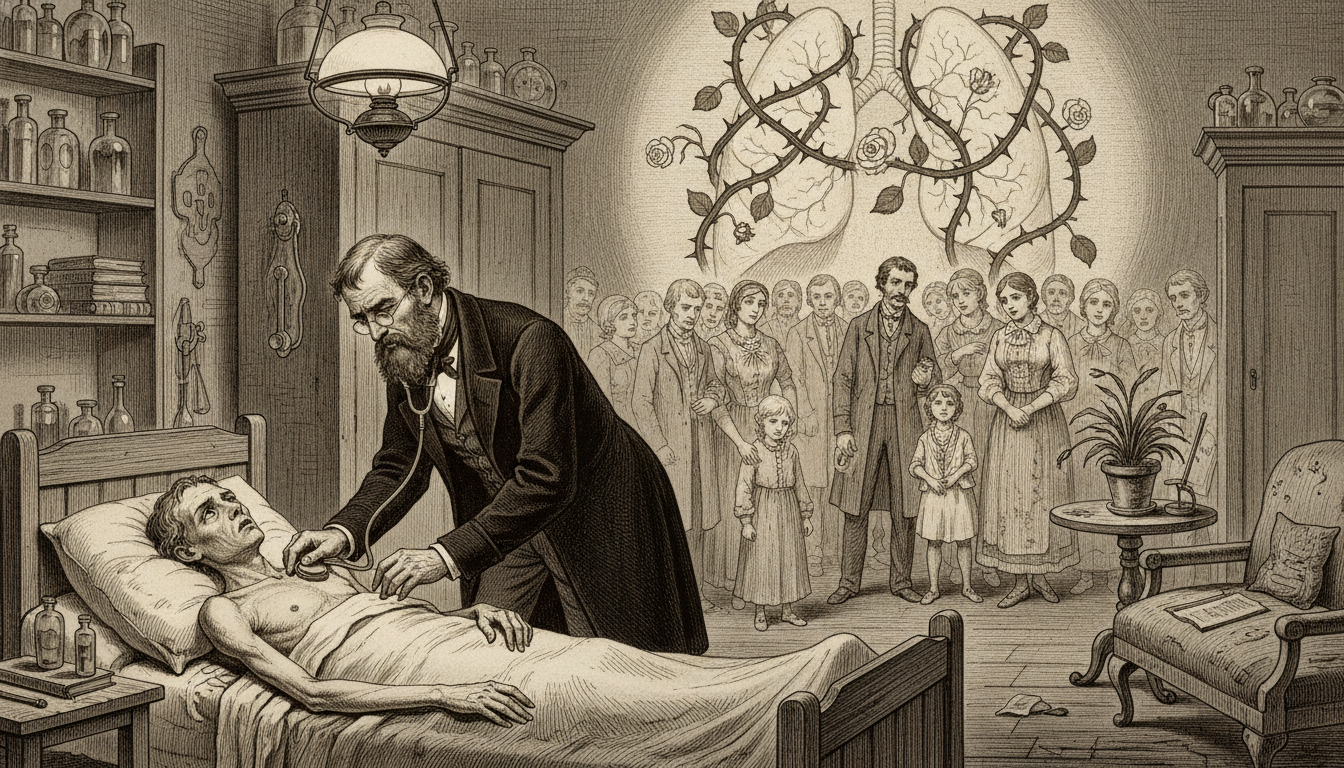
Think about this: for most of human history, people had no clue what was happening inside their chests. They blamed everything from bad air to angry gods when things went wrong. The journey to understanding is absolutely fascinating.
This guide is your friendly roadmap. We’ll explore the twists and turns of medical history, the science behind what goes wrong, and—most importantly—what you can do about it right now. You’ll discover how ancient physicians got some things surprisingly right (and hilariously wrong).
We’ll meet the modern heroes who cracked the cardiovascular code. You’ll also learn practical ways to keep your own ticker in top shape. No medical degree is required—just bring your curiosity. Let’s dive into one of the most important topics of our time.
Key Takeaways
- Cardiovascular issues are the leading cause of death both in the U.S. and globally.
- The term refers to a wide range of conditions affecting the heart and blood vessels.
- Historical understanding was very limited, often based on superstition.
- This guide will walk you through the fascinating history of medical discovery.
- You’ll learn actionable steps to support your cardiovascular well-being.
- The content is designed to be accessible and engaging for everyone.
Historical Perspectives on Heart Disease
The story of how we figured out the human heart is full of twists, turns, and some pretty wild guesses. For a long time, people had no clue.
Ancient Egyptians wrote about cardiovascular issues over 3,500 years ago. But they believed this organ was the center of thought and feelings. (They were half right about the emotions part!)
For centuries, a major misconception ruled medicine. Doctors thought the liver constantly made new blood, which the body simply used up.
It took until 1628 for William Harvey to prove something revolutionary. He showed that blood circulates in a continuous loop.
Can you imagine? The link between lifestyle and this disease wasn’t understood until the 1900s. Things like smoking or stress weren’t even on the radar.
Evolution of Cardiovascular Understanding
Real progress started with tools. The invention of the ECG in 1903 was a game-changer. For the first time, doctors could “see” the heart‘s electrical activity.
Then came the Framingham Study in the mid-20th century. It finally confirmed that cholesterol buildup in arteries was a primary cause of trouble.
Key Milestones in Heart Health History
History is marked by stunning leaps. The first human-to-human transplant in 1967 was a miracle. The patient lived for 18 days, stunning the world.
We’ve journeyed from mystical beliefs to precise 3D imaging. It’s an incredible story of human curiosity solving one of our biggest health puzzles.
Understanding Heart Disease

Think of your cardiovascular network as the ultimate life-support highway. It’s constantly working behind the scenes, making sure every part of you gets what it needs to thrive.
So what exactly are we talking about here? It’s any situation where this incredible system isn’t operating at its best. We’re not just discussing one specific issue—there are dozens of ways things can go off track.
Definition and Overview
Your cardiovascular setup is like a sophisticated transportation network. The central pump keeps everything moving, while the vessels act as roads carrying vital supplies. When there’s a blockage in the pathways or the pump starts weakening, that’s when trouble begins.
The tricky thing? Some cardiovascular issues announce themselves with clear warning signs. Others develop quietly over years without obvious signals. We’re talking about everything from inherited structural differences to problems that build up gradually from lifestyle choices.
Here’s what’s truly empowering: understanding how these conditions develop gives you real control. Many cardiovascular challenges are preventable with the right knowledge and habits. Your body’s main pump works tirelessly—when it struggles, your entire system feels the impact.
The key takeaway? Cardiovascular conditions aren’t an unavoidable part of getting older. They’re specific problems with identifiable causes, and you have more influence over your cardiovascular health than you might realize.
Types of Heart Disease
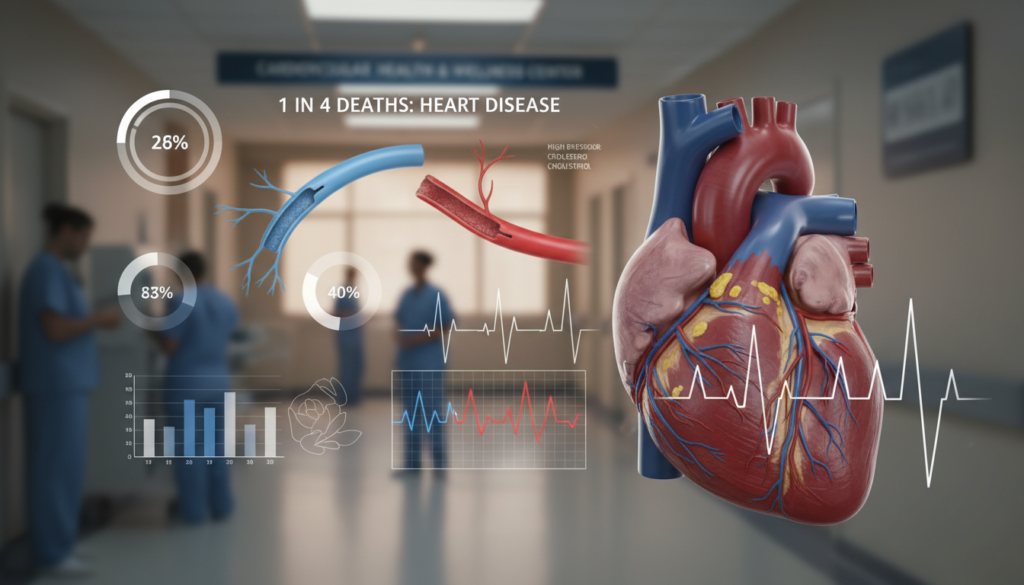
Did you know your cardiovascular system can run into trouble in dozens of different ways? Let’s explore the main categories. Understanding these different types helps you recognize what might be happening.
Each type has its own personality and symptoms. Getting the right diagnosis is crucial for proper treatment.
Coronary Artery Disease
Coronary artery disease is the most common cardiovascular condition. It happens when plaque builds up inside your arteries.
This plaque contains cholesterol and other substances. The buildup narrows the pathways over time.
When blood flow gets seriously restricted, that’s when problems occur. This gradual process is called atherosclerosis.
Congenital Heart Defects
Some people are born with structural issues in their cardiovascular system. These are called congenital heart defects.
They can include holes between chambers or valves that don’t work properly. Some people live for decades without knowing they have a minor defect.
The body’s ability to compensate is pretty amazing. But accurate diagnosis helps manage these conditions effectively.
Arrhythmia and Other Cardiac Conditions
Arrhythmias occur when your heart’s electrical system goes haywire. Instead of a steady rhythm, you might experience skipped beats or racing pulses.
Atrial fibrillation is the most common type. The upper chambers quiver chaotically instead of beating properly.
Other conditions include cardiomyopathy and valve problems. Each requires its own specific treatment approach.
Risk Factors and Warning Signs
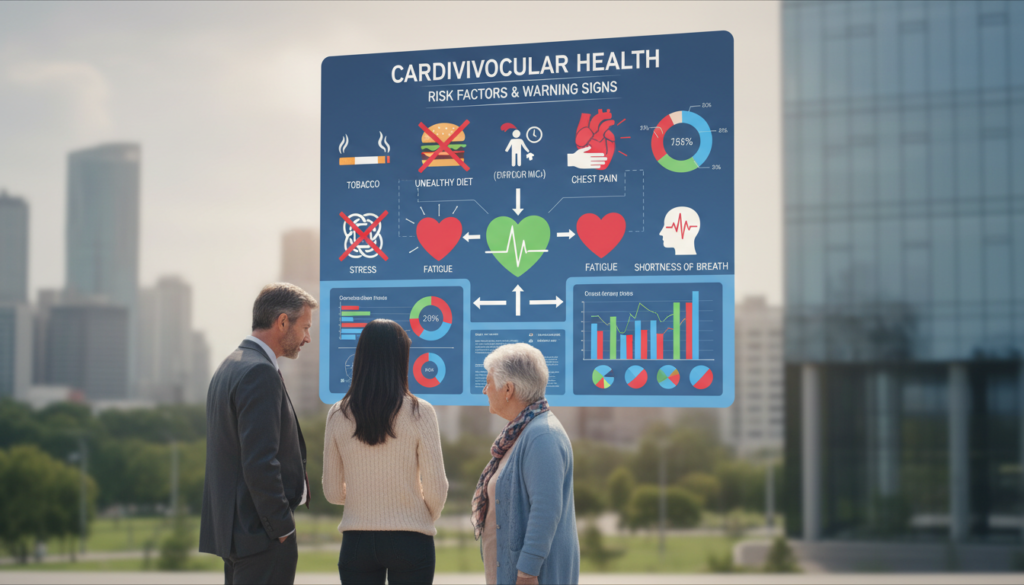
Let’s pull back the curtain on what really influences your ticker’s long-term performance. Some risk factors are completely within your control, while others come with your genetic blueprint. Knowing the difference gives you real power.
Your daily choices create either a protective shield or added stress for your cardiovascular system. The good news? You control most of the important variables.
Lifestyle and Genetic Influences
High blood pressure often works silently, damaging arteries without obvious symptoms. That’s why regular checks are so crucial. Your cholesterol levels also play a huge role in artery health.
Family history is the one factor you can’t change. If close relatives had early cardiovascular issues, your risk increases automatically. But here’s the encouraging part: positive lifestyle changes can dramatically reduce that inherited risk.
| Controllable Risk Factors | Uncontrollable Risk Factors | Impact Level |
|---|---|---|
| Smoking habits | Family history | High |
| Blood pressure | Age | High |
| Cholesterol levels | Gender | Medium |
| Physical activity | Ethnicity | Medium |
The World Health Organization identifies stress and poverty as significant contributors to the global rise in cardiovascular conditions.
Recognizing Early Symptoms
Warning signs vary dramatically between people. Some experience classic chest pressure or pain radiating to the arm. Others notice subtle changes like unusual fatigue or shortness of breath during normal activities.
The tricky part? Many people have zero symptoms until a serious event occurs. That’s why knowing your numbers—blood pressure, cholesterol, blood sugar—and getting regular screenings is your best defense.
Diagnosis and Treatment Approaches

When your doctor identifies what’s happening with your cardiovascular system, it opens up a world of modern treatment possibilities. The diagnostic process typically involves a thorough medical history, physical exam, and various tests like ECGs and blood work.
Today’s approach to managing cardiovascular conditions is more personalized than ever. Your doctor will work with you to create a plan that addresses your specific needs and symptoms.
Medication Options and Interventions
Medications often serve as the first line of defense. Blood thinners prevent dangerous clots, while beta-blockers help control your pulse and blood pressure.
ACE inhibitors relax blood vessels, and statins tackle high cholesterol levels. Sometimes your doctor will prescribe multiple medications working together to address different aspects of your condition.
Surgical and Procedural Innovations
When medications alone aren’t enough, modern procedures offer remarkable solutions. Coronary angioplasty uses a tiny balloon to open blocked arteries, often with a stent to keep them open.
For more complex problems, bypass surgery creates new routes for blood flow. Other innovations include pacemaker implants and minimally invasive valve procedures.
| Treatment Type | Common Examples | Primary Purpose |
|---|---|---|
| Medications | Beta-blockers, Statins | Control symptoms, reduce risk factors |
| Procedures | Angioplasty, Stenting | Restore blood flow, open arteries |
| Surgery | Bypass, Valve repair | Address structural problems |
The key is working closely with your doctor to understand your options. Don’t hesitate to ask questions about benefits and risks—you’re an active partner in your treatment journey.
Preventive Measures for a Healthy Heart
Here’s some truly empowering news: you have more control over your cardiovascular health than you might realize. Most cases of heart disease are actually preventable with smart daily choices.
Your diet plays a huge role in reducing your risk. Focus on colorful fruits, vegetables, and whole grains. Limit processed foods and excess salt. This approach helps manage cholesterol and blood pressure naturally.
Regular exercise is non-negotiable. Aim for 150 minutes of moderate activity weekly. Brisk walking, swimming, or dancing all count toward protecting your heart.
| Prevention Strategy | Key Benefit | Weekly Goal |
|---|---|---|
| Healthy Eating | Controls blood pressure & cholesterol | Daily practice |
| Physical Activity | Strengthens cardiovascular system | 150 minutes |
| Weight Management | Reduces strain on heart | Maintain healthy BMI |
| Smoking Cessation | Lowers disease risk dramatically | Zero cigarettes |
If you smoke, quitting is the single most powerful step. Your blood circulation improves within weeks. Even losing 5-10% of excess weight makes a measurable difference.
Managing conditions like high blood pressure through medication and lifestyle changes prevents long-term damage. Regular check-ups catch problems early when they’re most treatable.
The beautiful part? These measures don’t just protect against heart disease. They boost energy, improve mood, and add quality years to your life. It’s the ultimate win-win for your entire body.
Modern Advances in Heart Disease Care
What if I told you that today’s cardiac treatments would seem like science fiction to doctors from just a generation ago? The technological leaps in cardiovascular care are absolutely staggering.
Procedures that were impossible when your parents were young are now routine outpatient treatments. We’re talking about real medical miracles happening every day.
Innovations in Cardiac Surgery
Minimally invasive techniques have revolutionized surgery. Surgeons can now repair valves and place stents through tiny incisions or catheters.
Transcatheter aortic valve replacement (TAVR) lets doctors replace failing valves by threading new ones through arteries. Patients often walk out of the hospital days later!
For severe heart failure, artificial hearts and ventricular assist devices keep people alive while waiting for transplants. They’re increasingly becoming permanent solutions.
Latest Research and Technological Breakthroughs
Wearable technology and implantable monitors track rhythm in real-time. They alert doctors to problems and can deliver life-saving shocks automatically.
Emergency “door-to-balloon” protocols restore blood flow within 90 minutes of a heart attack. This dramatically reduces muscle damage by restoring oxygen quickly.
Research into regenerative medicine holds incredible promise. Scientists are working to actually repair damaged tissue and regrow blood vessels.
The development of better CPR techniques and widespread AED availability has dramatically improved survival rates during cardiac arrest. Precision medicine now tailors treatments to individual genetic profiles.
Holistic Lifestyle Strategies for Heart Health
Ever wonder how your daily choices actually protect your most vital muscle? A holistic approach means looking beyond quick fixes to build habits that support your entire system.
Your plate becomes powerful medicine when filled with colorful vegetables, fresh fruits, and whole grains. The Mediterranean diet shines here—think fish, nuts, and olive oil instead of processed foods.
Heart-Healthy Diet and Nutrition
Reducing sodium helps manage high blood pressure naturally. Swapping processed snacks for whole foods cuts salt while boosting protective nutrients.
This eating pattern delivers oxygen and nutrients to your body efficiently. It helps prevent damage to blood vessels that can lead to serious cardiac events.
Effective Exercise and Stress Management
Regular activity strengthens your heart muscle and improves circulation. You don’t need marathon training—consistent moderate exercise works wonders.
Stress management is equally crucial. Chronic stress elevates blood pressure and inflammation. Techniques like meditation or nature time provide real protection.
| Lifestyle Factor | Weekly Goal | Key Benefit |
|---|---|---|
| Healthy Eating | Daily practice | Controls pressure & cholesterol |
| Physical Activity | 150 minutes | Strengthens cardiovascular system |
| Stress Reduction | Daily practice | Lowers inflammation |
| Sleep Quality | 7-9 hours nightly | Supports tissue repair |
Recognizing early symptoms like chest pain or unusual fatigue allows prompt action. Managing conditions like diabetes through lifestyle changes prevents long-term complications.
Your daily decisions constantly build—or challenge—your cardiovascular resilience. The beautiful part? It’s never too late to start supporting your whole body.
Conclusion
As we wrap up our tour through medical history and modern science, one truth stands out. You have tremendous power to influence your cardiovascular well-being.
Whether it’s coronary artery disease or other conditions, many risk factors are within your control. Your daily choices about food, activity, and stress matter deeply.
Pay attention to your body. Know the symptoms, from chest pain to subtle fatigue. Regular check-ups are your best defense.
This knowledge is your tool. Use it to make choices that support your health for years to come. Your journey to better cardiovascular health starts with your very next decision.
FAQ
What are the most common symptoms I should watch out for?
How does high blood pressure affect my cardiovascular system?
Can you really prevent issues with lifestyle changes?
What’s the difference between a heart attack and cardiac arrest?
Are congenital heart problems only found in children?
Get More Medical History
Join our newsletter for fascinating stories from medical history delivered to your inbox weekly.