The History of Healing
 Discover Mesopotamian Healing Practices
Explore ancient Mesopotamian healing practices through herbal remedies, spiritual rituals, and medical texts that shaped early medicine in civilization’s cradle.

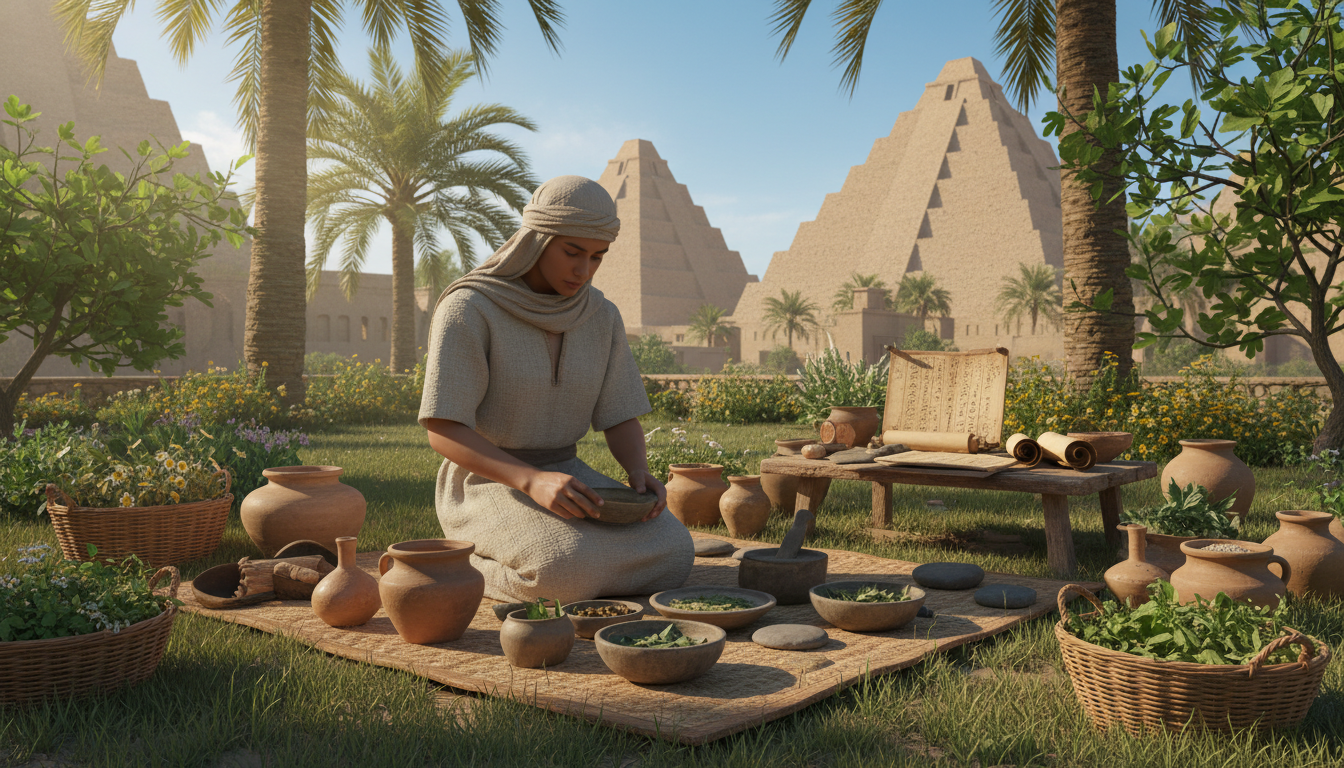
Over 5,000 medical prescriptions were found in a single ancient library. This was in King Ashurbanipal’s library in seventh-century Nineveh. It was just one of many sources.
Temple archives and private libraries across Neo-Assyrian cities and later Babylonia had thousands more. These people took healing very seriously.
Did you know the snake-wrapped rod symbol of medicine comes from Mesopotamia? It’s linked to Ninazu, son of the healing goddess Gula. She was the divine patron of doctors and dentists, influencing medicine for over two millennia.
We often credit ancient Greece for medicine. But, many breakthroughs started in Mesopotamia, centuries before. Ulrike Steinert, a researcher at Freie Universität Berlin, calls Mesopotamian healing a complex system.
It combined drug treatments, surgery, and spiritual rituals. This approach laid the foundation for today’s medicine.
Let’s go back about 4,000 years. You’re about to see how the world’s earliest medical system worked. And why it’s part of today’s hospitals and pharmacies.
Key Takeaways
- Mesopotamian healing practices spanned over 2,000 years and produced more than 5,000 known medical prescriptions from Nineveh’s royal library alone.
- The snake-and-rod symbol of modern medicine originated with the Mesopotamian deity Ninazu, not ancient Greece.
- The healing goddess Gula served as the divine patron guiding ancient medicine, overseeing both doctors and dentists.
- Cradle of civilization medicine combined herbal remedies, surgical procedures, and spiritual rituals into one integrated system.
- Many medical concepts later attributed to Greek physicians were first developed by Mesopotamian healers centuries earlier.
- The history of healing in Mesopotamia included formal diagnosis methods, prognosis techniques, and documented treatment plans recorded on clay tablets.
Overview of Mesopotamian Healing Practices
Thousands of years ago, people in ancient Mesopotamia wrote down medical recipes. They had a seriously organized way to treat the sick. Their healing practices go back to the mid-fourth millennium BC, when they first used cuneiform script on wet clay tablets.
These early records include medical prescriptions and pharmacological manuals. It shows how advanced their approach to health was.
Historical Context
The oldest known pharmacological texts are from the second half of the third millennium BC. They were found at the ancient city of Ebla in modern-day Syria. By the Old Babylonian period (roughly 1894–1595 BCE), medicine was a full-fledged profession with structured training.
Before the 19th century, Western scholars thought Mesopotamians had no doctors at all. This was based on a story by the Greek historian Herodotus. He said sick people were carried to the public square for advice from passersby. But this was likely gossip, not the truth.
Becoming a doctor was a big deal. Students spent 10–12 years learning cuneiform script and the scribal curriculum before they could study Mesopotamian healthcare traditions and medical texts.
Cultural Significance
Babylonian healing rituals were more than just about herbs. They combined spiritual beliefs with physical treatment. Sickness was seen as both a physical and divine issue. This made healers highly respected in society.
| Aspect | Details |
|---|---|
| Earliest Medical Texts | Second half of the 3rd millennium BC, found at Ebla, Syria |
| Writing System | Cuneiform on wet clay tablets |
| Medical Profession Established | Old Babylonian period (circa 1894–1595 BCE) |
| Training Duration | 10–12 years of scribal study before medical specialization |
| Key Archaeological Sites | Nineveh (Iraq), Mari (Syria), Ebla (Syria) |
What’s fascinating about Mesopotamian healthcare traditions is how they influenced later times. These weren’t just random remedies. They were documented, taught, and passed down through generations.
Key Elements of Mesopotamian Medicine
What did ancient Mesopotamian healers use to cure people? It was a mix of nature and the supernatural. They used medicinal plants and performed mystical rituals. Let’s look at these two main parts.
Herbal Remedies
Herbs were key in Babylonian medicine. They used plants like garlic, onions, and figs. These were common foods.
The Uruanna list has 1,300 terms on drugs and 340 plants. The Šammu Šikinšu manual detailed how to use each plant. This shows their deep knowledge.
In Assur, a 177-drug list was found. 159 of these were plant-based. The Babylonians had a royal garden with 67 plants, half for medicine. Assyrian treatments used gardens with 28 healing trees.
“Pound together fir-turpentine, pine-turpentine, tamarisk, daisy, flour of Inninnu; mix in milk and beer in a small copper pan; spread on skin, bind on him, and he shall recover.”
This is a real Babylonian remedy for a face injury. Doctors made medicines right in front of the patient. They used alcohol, honey, and myrrh, which fight bacteria.
Rituals and Spells
Herbs weren’t enough; spiritual power was needed too. Healers recited spells while making drugs. Rituals were part of every treatment, linking the physical to the divine.
Influential Ancient Texts on Healing
Some of the oldest stories ever written talk about sickness, death, and finding a cure. Ancient medicine texts from Mesopotamia were more than just medical guides. They were part of stories, poems, and religious texts. These writings show us how people thousands of years ago thought about their bodies.
The Epic of Gilgamesh
You might know the Epic of Gilgamesh. It’s one of the oldest stories ever. It’s about a guy named Gilgamesh who tries to cheat death. He watches his best friend die and then searches for immortality.
This story shows a deep belief in Mesopotamian culture. They believed illness and death were connected to the gods and fate. It shows the limits of being human.
Scholar Ulrike Steinert says stories like this often talk about health and illness. Healing professionals’ letters from the same time also share these ideas. They give us a detailed look at ancient medical beliefs and practices.
Medical Papyri and Clay Tablets
Scribes wrote down healing knowledge on clay tablets in cuneiform script. These texts had drug recipes, symptom lists, and treatment plans. Some important examples include:
- The Treatise of Medical Diagnosis and Prognoses — a huge collection on 40 tablets
- Therapeutic texts with herbal and mineral remedies
- Incantation tablets that mix ritual with physical treatment
These texts were not just for learning. They were used by real doctors to treat patients. They connected ancient rituals and herbal remedies to real treatments.
The Role of Priests and Healers
In ancient Mesopotamia, healing was a team effort. There were two main types of healers. They worked together, each with their own special skills. No one thought one was better than the other. It’s quite surprising, isn’t it?
Spiritual Healing
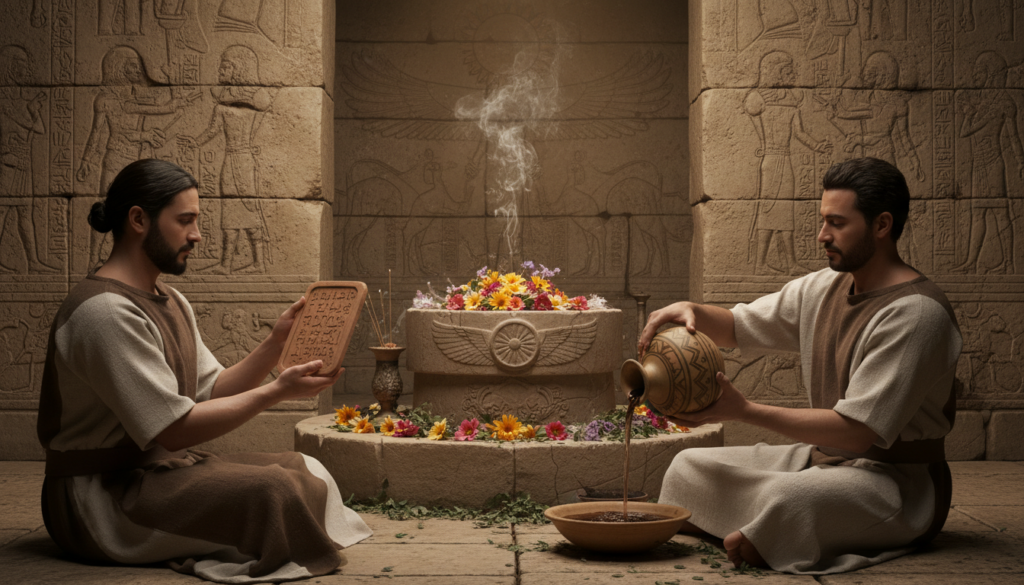
The asipu was like a spiritual doctor. They used rituals, prayers, and even exorcisms to heal. They helped with many problems, like demons and fertility issues.
They had special texts like SA ZI GA for sex problems. Pregnant women wore amulets to keep bad spirits away. The asipu even used animal omens to guess how a patient would do.
Medical Practitioners
The asu focused on physical treatments. They used herbs, bandages, and more. Their work was based on what they could see and touch.
As scholar Robert D. Biggs said, both asu and asipu were seen as equals. The phrase “if neither medicine nor magic brings about a cure” shows this. It proves they were both respected.
| Feature | Asipu (Spiritual Healer) | Asu (Medical Practitioner) |
|---|---|---|
| Primary Approach | Incantations, prayers, exorcisms | Herbal remedies, physical treatments |
| Diagnostic Method | Omens, dreams, visions | Observation of symptoms |
| Specialty Texts | SA ZI GA, omen series | Medical prescriptions, drug lists |
| Perceived Legitimacy | Equally respected | Equally respected |
| Tools Used | Amulets, ritual objects | Herbs, bandages, salves |
Diagnosis and Prognosis in Mesopotamia
Here’s something wild: ancient healers in the Tigris-Euphrates region figured out that you need to identify what’s wrong before you can fix it. Sound obvious? It took centuries for that idea to stick. Mesopotamian healing practices placed diagnosis front and center — and the methods they used will surprise you.
Methods of Diagnosis
The Sakikku diagnostic handbook was basically the go-to reference guide for ancient physicians. It listed bodily symptoms and matched them to causes — usually “the hand of” a specific god, demon, or ghost. Illness was almost always tied to a sin the patient committed, whether they knew about it or not.
Tigris-Euphrates medical techniques went beyond just asking “where does it hurt?” Doctors checked the patient’s pulse to gauge health. They never connected it to a circulatory system, but they knew it mattered. Pretty impressive for 2,000 BCE.
Ancient diagnostic methods got even more creative with divination. Here’s a quick breakdown:
- Physiognomy — reading facial expressions, body shape, and speech patterns to predict character and fate
- Extispicy — examining the entrails of sheep (usually the liver) for divine messages
- Clay organ models — inscribed replicas used to train apprentice diviners and study anatomy
Interpretation of Symptoms
What’s fascinating is how practitioners using the Sakikku diagnostic handbook connected visible signs to invisible causes. They observed symptoms carefully, recorded patterns, and built a system of prognosis.
| Diagnostic Technique | What Was Observed | Purpose |
|---|---|---|
| Pulse Reading | Rhythm and strength of pulse | Assess general health status |
| Physiognomy | Facial features, posture, speech | Predict fate and character traits |
| Extispicy | Sheep liver and intestines | Divine the cause of illness |
| Symptom Matching | Bodily signs listed in texts | Identify which deity caused the disease |
A famous letter from Zimri-Lim, King of Mari, to his wife even instructed isolating a court woman named Nanna because her disease was contagious. They blamed sin instead of germs — but the idea of quarantine was right on.
Insight into Mesopotamian Surgery
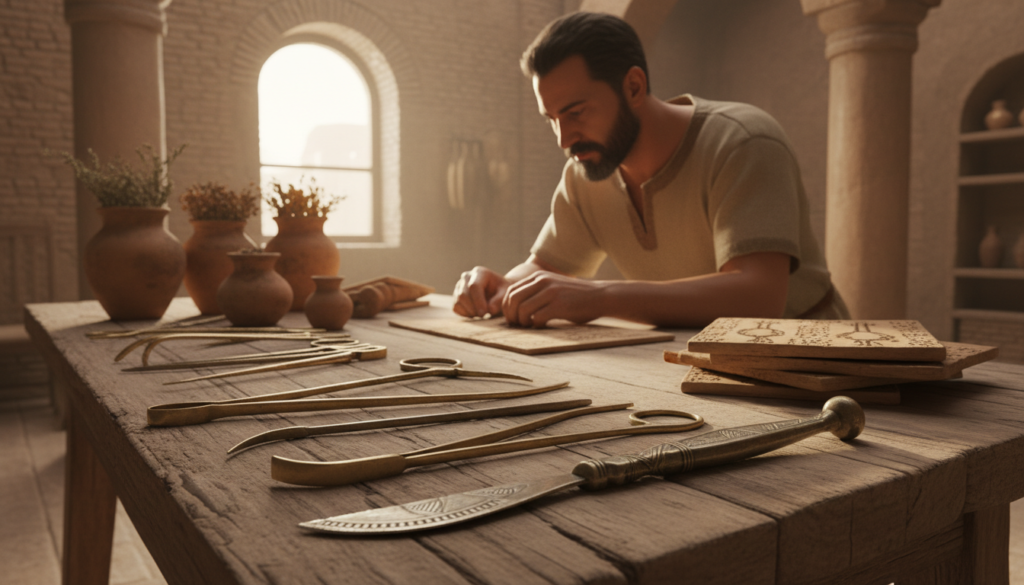
Here’s where things get really wild. You might think ancient medicine surgery was all guesswork and good luck. But Mesopotamian surgeons were performing operations as far back as the Uruk period — around 4000 to 3100 BCE. That’s thousands of years before most civilizations even had writing!
What’s mind-blowing? These surgeons worked without any real knowledge of anatomy. Dissecting a human body was forbidden on religious grounds. Yet, experts today say Mesopotamia was ahead of its time.
Techniques That Make Sense Today
Mesopotamian healthcare traditions included a surprisingly smart three-step wound care process:
- Washing the wound with clean water
- Applying a plaster or poultice
- Binding the wound tightly
Doctors cleaned their hands and wounds using a mix of beer and hot water. They even had liquid soap! Antiseptics came from alcohol, honey, and myrrh — Sumerian remedies that actually worked against infection.
Dentistry was part of the picture too. A toothache? Blamed on a “tooth worm.” The dentist would recite an incantation, then pull the tooth or apply herbal treatments.
Tools and the Stakes of Surgery
The pressure on surgeons was intense. Under Hammurabi’s Code (circa 1772 BCE), mandate 218 stated that a failed operation could cost the doctor a hand — or both hands. Regular treatments didn’t carry that risk, as gods were seen as the true healing agents.
| Aspect | Regular Treatment | Surgical Procedure |
|---|---|---|
| Practitioner Liability | No personal penalty | Amputation of hands if patient died |
| Primary Antiseptics | Herbal mixtures | Alcohol, honey, myrrh |
| Wound Care Steps | Varies by condition | Wash, plaster, bind |
| Cleaning Method | Water-based rinses | Beer and hot water mixture |
These ancient medicine surgery practices laid groundwork that echoes through centuries — connecting directly to the lasting influence Mesopotamia had on modern medical thinking.
Influence on Modern Medicine
Those ancient healers from thousands of years ago are shaping health today. Their work goes beyond old clay tablets. It touches every pharmacy, hospital, and doctor’s office.
Legacy of Mesopotamian Practices
The ancient medicine legacy is amazing. Mesopotamian healers documented symptoms and tracked patient outcomes. They even set rules for medical malpractice.
Our modern medical systems grew from these roots. Doctors in ancient Babylon faced punishment for bad treatments. This sounds familiar, right?
Integrative Approaches
What’s fascinating is how Mesopotamians mixed physical and spiritual care. Today, we see this in integrative medicine at places like the Cleveland Clinic. It combines traditional treatments with holistic care.
This reminds us that new ideas in medicine aren’t always new. We’re finding wisdom that’s been around for thousands of years. It shows our curiosity about the human body is ancient.
FAQ
What exactly were Mesopotamian healing practices, and how far back do they go?
What kinds of herbal remedies did Babylonian and Assyrian healers use?
How did Mesopotamian doctors actually diagnose illness?
What role did spiritual healing and magic play in Mesopotamian medicine?
Did ancient Mesopotamians really perform surgery?
How long did it take to become a doctor in ancient Mesopotamia?
Did Mesopotamians understand the concept of contagion?
How does the Epic of Gilgamesh connect to Mesopotamian medicine?
What was the symbol of medicine in ancient Mesopotamia, and does it connect to modern medical symbols?
Did Mesopotamia have dentistry?
Get More Medical History
Join our newsletter for fascinating stories from medical history delivered to your inbox weekly.