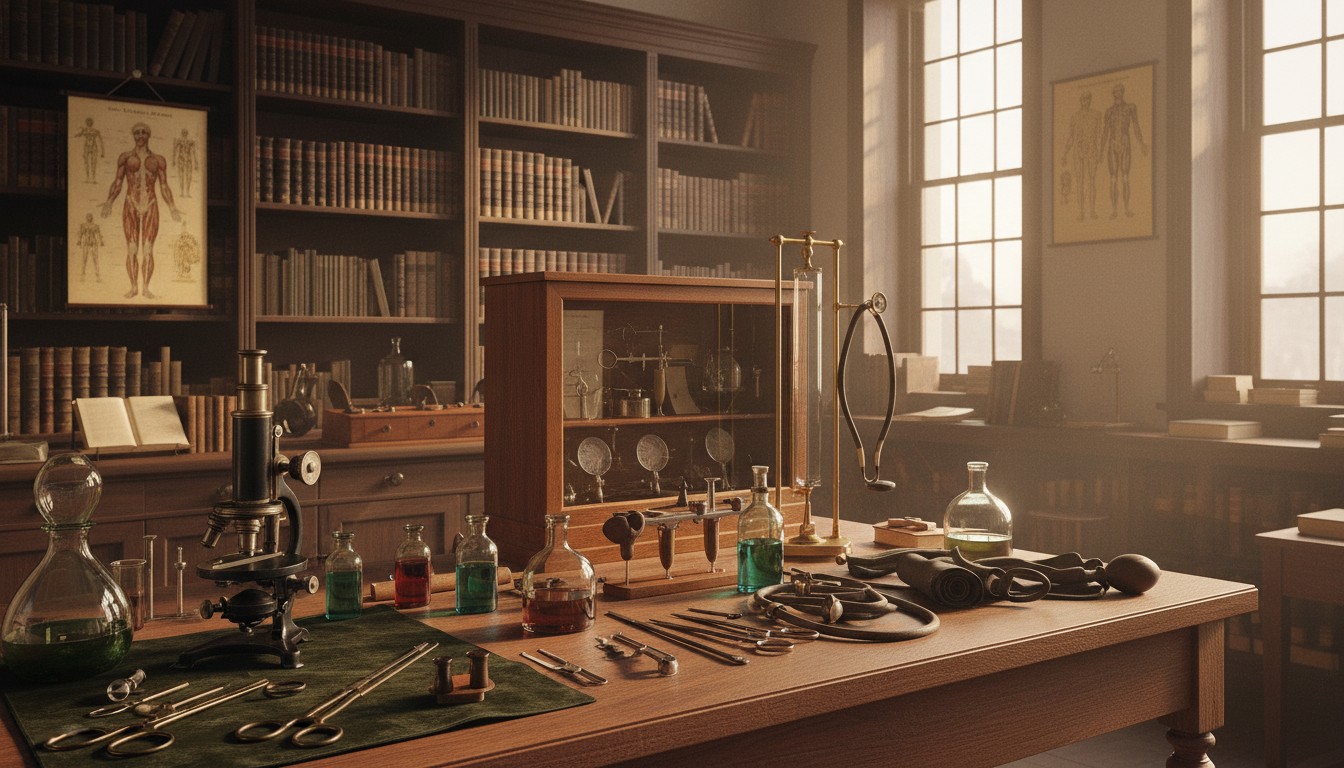
The History of Healing
 From Bone Saws to Precision Tools
Explore the evolution from rudimentary bone saws to state-of-the-art Precision Tools, advancing trade and DIY projects with unmatched accuracy.

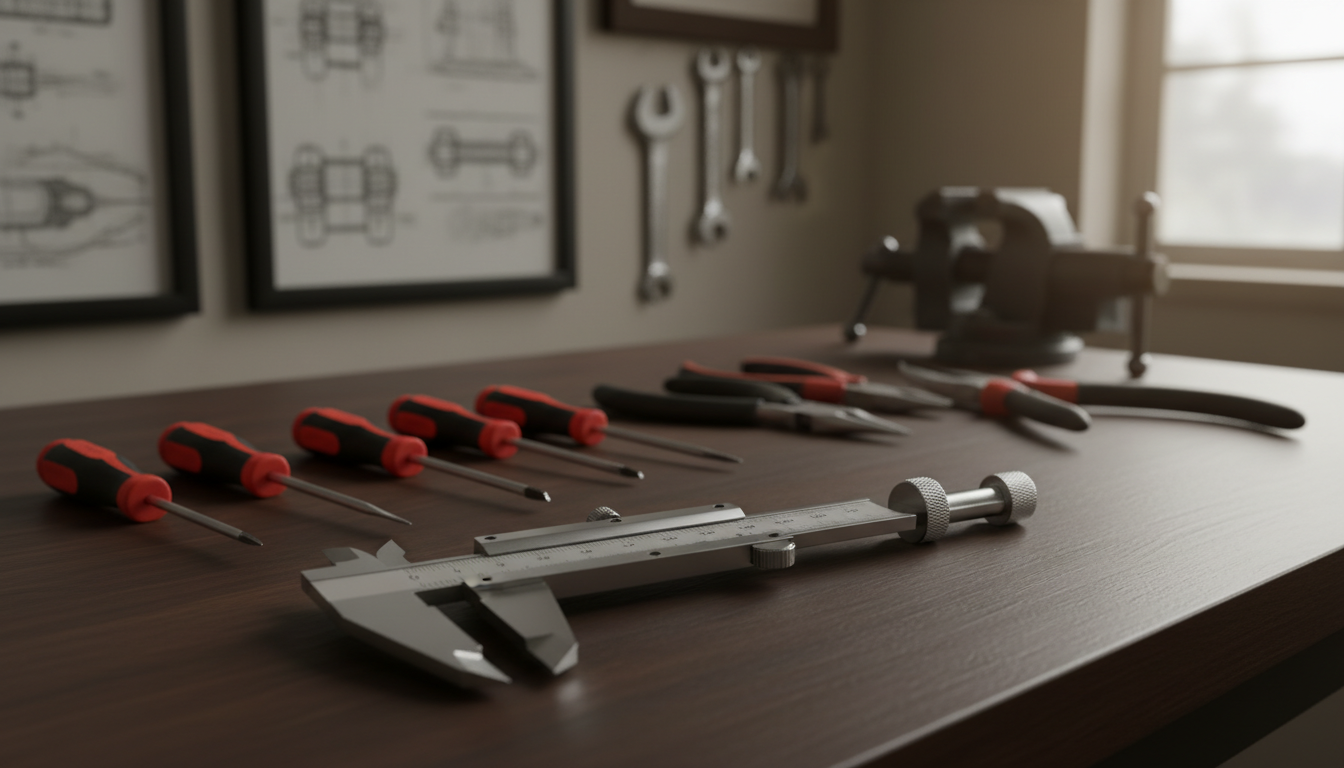
In the U.S., surgeons now make cuts as small as fractions of a millimeter. Some orthopedic saw blades are only about 1.27 mm thick. This is a big change from the old days when cutting bone was all about brute force and luck.
Today, Precision Tools don’t just cut. They guide your hand. You can find bone saw blades in 90 mm and 105 mm lengths. There are also cranial perforators that help avoid slipping and ENT burs for tight spaces. It’s all about precise engineering.
Dental implant kits are another example of this precise approach. They include drill bits, drivers, taps, trephines, depth gauges, and drill stoppers. Each tool is designed for control, not guesswork.
Then, there are power systems that keep the motion controlled. A modern oscillating tip saw system separates the motor’s drive from the cutting action. This means the tip moves in tight, predictable arcs. Precision Tools like these are perfect for orthopedic work, where small movements can make a big difference.
This story starts with bone saws but quickly becomes about how precise engineering has changed things. High precision tools are now at the heart of both making and medicine.
Key Takeaways
- Modern Precision Tools can be engineered down to thin blade profiles, including around 1.27 mm thickness.
- Medical catalogs include highly specialized categories like bone saw blades, cranial perforators, and ENT burs.
- Dental implant systems rely on controlled sequences using tools like trephines, depth gauges, and drill stoppers.
- High precision tools focus on predictable motion, grip, and stability—not raw cutting force.
- Power-assisted designs, like oscillating tip saw systems, aim for control in orthopedic procedures.
- Precise engineering shows up in concrete features like tooth geometry, blade length, and vibration control.
Understanding Precision Tools in Modern Industry
You can usually tell when a job needs true control. The cut has to track straight. The hole has to land dead-on. The part has to fit without forcing it.
Quality equipment earns its keep—quietly, cut after cut, shift after shift.
In modern shops and clinical settings, the goal isn’t just “close enough.” It’s repeatable results you can trust. And when you’re moving fast, professional tools help you stay accurate without feeling like you’re wrestling the work.
Definition of Precision Tools
Precision tools are built to control a cut, a measurement, or an assembly step with tight accuracy and repeatability. The difference is what’s designed in: less play, steadier tracking, and consistent performance from start to finish.
That can mean reduced movement during cutting, thinner profiles to prevent sticking, or specialized tooth geometry that keeps the tool biting the same way through the whole cut arc. Pair that with calibrated scales and stable frames, and you get precision instruments that don’t drift when the work gets demanding.
Importance in Various Sectors
Look across industries and you’ll spot the same theme: when the stakes are high, control isn’t optional. In dentistry, depth gauges and parallel pins guide implant placement so angles and spacing stay predictable. In surgery, bone saw blades and cranial perforators are designed for steady progress and clean handling when there’s no room for surprises.
In industrial machining, twist drills, milling cutters, broaches, punches, and reamer cutters keep tolerances in check across batches. With quality equipment on the bench, you spend less time correcting and more time producing. It’s why professional tools show up everywhere the work has to match the spec—every single time.
| Where you’ll see them | Common examples | What “precision” protects | What you notice on the job |
|---|---|---|---|
| Dental implant workflows | Depth gauges, parallel pins | Angle control, repeatable spacing, predictable depth | Smoother planning, fewer fit surprises during placement |
| Operating room cutting | Bone saw blades, cranial perforators | Stable tracking, controlled bite, consistent cut path | Cleaner handling and steadier progress through tough material |
| Industrial machining lines | Twist drills, milling cutters, reamer cutters | Diameter control, surface finish, repeatable hole quality | Less rework, fewer scrap parts, faster cycle confidence |
| Forming and shaping operations | Broaches, punches | Edge integrity, uniform profiles, consistent engagement | More uniform parts and fewer jams during production |
The Evolution of Precision Tools
It’s amazing to think about how hard it was to cut bone in the past. Tools were simple but sharp. Over time, these tools evolved into the precise parts we use today.
Looking at a modern surgical catalog shows the progress. You’ll see bone drills and saw blades next to cranial mills. This layout shows how tools have changed, becoming more specific to each task.
Historical Background
At first, the goal was to cut through hard tissue without breaking the tool or the patient. Early tools were made of thick steel, which caused more heat and damage.
Later, tools became cleaner and more balanced. This change made them work better together, improving precision.
Key Milestones in Development
One big step was the use of engineered motion. This included an oscillating tip saw with a stationary cartridge design. It made cutting smoother and reduced wear.
Designs became more precise, with options like 1.27mm and 1.37mm blade thickness. This allowed for better control over the cut. Falcon saw tooth geometry was also developed, making cuts 19% faster.
Heat and debris became major issues to solve. New features helped clear chips and lower cutting temperature. This improved accuracy and reduced damage to the material.
| Design change | What changed in the tool | What you notice during use | Why it matters for precise engineering |
|---|---|---|---|
| From basic blades to blade systems | Guides and cartridges joined the cutting edge | More stability and less chatter | Keeps the cut path consistent across repeat cases |
| Oscillating tip with stationary cartridge | Motion happens at the tip while the cartridge stays put | Smoother tracking and less guide wear | Helps top precision tools hold alignment under load |
| Blade thickness options | Choices like 1.27mm and 1.37mm | Dialed-in balance of flex and control | Supports tighter tolerance work without overcutting |
| Optimized tooth geometry | Falcon saw tooth geometry reported as 19% faster | Faster bite with steadier feed | Improves efficiency while protecting accuracy targets |
| Chip clearance and lower heat design | Reduced blade surface area and debris pathways | Less clogging and cooler cutting feel | Protects material edges and reduces distortion during cuts |
Types of Precision Tools Available Today
When you enter a modern shop or surgical area, you notice a common theme: control. Today’s Precision Tools aim to eliminate “close enough” moments. They help in tasks like shaping metal or placing dental implants.
These tools come in a wide range, from small checks to fast cuts and clean finishes. It’s exciting to see how many options are available.
We can group these precision instruments into four main categories. Each category solves a different problem. They all aim for the same goal: reliable work using top-notch tools.
Measuring Instruments
Measuring starts to feel real with these tools. In dental implant work, a depth gauge confirms drilling depth accurately. This small check ensures consistent spacing from one case to another.
T rulers (implant distance indicators) provide quick, clear layouts. Parallel pins check angulation and alignment before you start. These tools act like guardrails, keeping things simple and effective.
Cutting Tools
Cutting is the dramatic part of the job. You’ll find surgical tools like bone saw blades and shaver blades. Industrial tools include twist drills and milling cutters.
Design details are key. Some cutting tools have outward-facing teeth with a cutting arch from -5° to +5°. You’ll also find common sizes like 90mm/105mm lengths and 20mm/25mm widths. These tools focus on performance through geometry.
Assembly Tools
Assembly is where “fits” becomes “works.” You’ll use wrenches, drivers, and taps for implants and screws. These tools control torque and thread engagement.
Industry leading tools in assembly are reliable and predictable. They ensure a clean connection without slipping or wandering.
Finishing Tools
Finishing shows accuracy on the surface. Rotary cutting tools refine edges and smooth interfaces. Medical screwdrivers also belong here, as they affect final handling and contact points.
In many cases, finishing tools decide if parts feel tight and polished. It’s the last step, but it’s essential.
| Tool Type | Common Examples | What You’re Controlling | Where You Feel the Benefit |
|---|---|---|---|
| Measuring | Depth gauges, T rulers/implant distance indicators, parallel pins | Depth, spacing, angulation | More repeatable placement and layout with precision instruments |
| Cutting | Bone saw blades, cranial perforators, twist drills, milling cutters, reamer cutters | Material removal rate, path accuracy, edge geometry | Cleaner cuts and less rework with industry leading tools |
| Assembly | Wrenches, drivers, taps, implants, abutments, screws, transfers | Seating, torque, thread engagement, alignment | Secure interfaces that don’t loosen or bind under load |
| Finishing | Rotary cutting tools, medical screwdrivers | Surface quality, edge cleanup, final fit | Smoother contact points and a more precise feel overall |
Key Features of Quality Precision Tools
When a tool tracks true and doesn’t chatter, you know it’s good. The best tools are designed to work well under pressure. They don’t rely on luck.
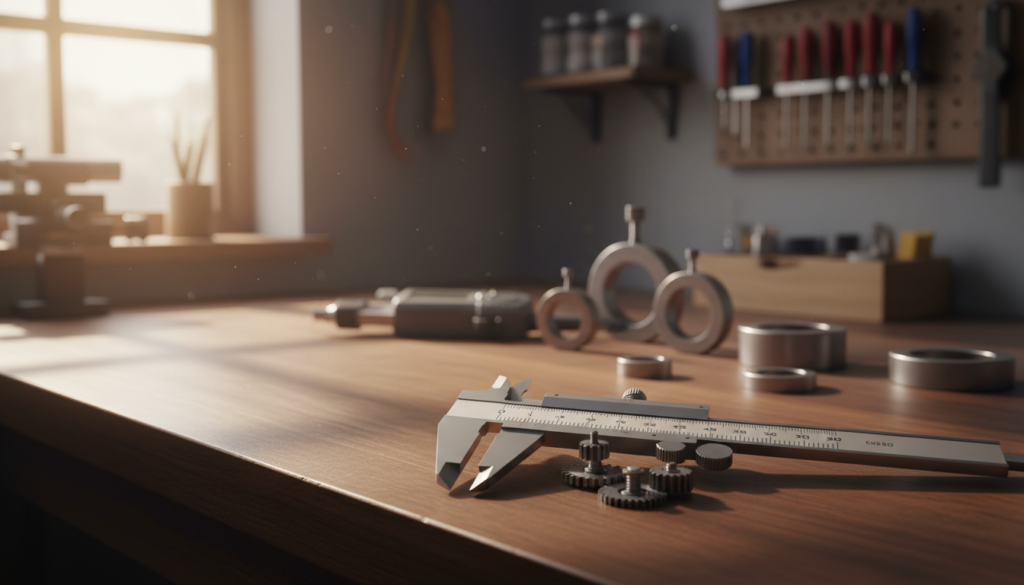
In any setting, quality tools share the same key features. These include what they’re made of, how well they’re controlled, and how many tasks they can handle.
Material Composition
Accuracy starts with the materials used. In industries, HSS and carbide are often seen. They’re used in reamers, cutters, and milling tools.
Better metals last longer, run cooler, and are more predictable. This makes professional tools reliable for tight deadlines.
Tolerance Levels
Tolerance is critical for clean cuts. When blade thickness is controlled to 1.27mm, cuts are smoother. This reduces movement and drift.
This thin profile is key for working in tight spaces. Quality tools fit guides perfectly. This ensures stability and repeatable results.
| Feature | What you notice in use | Why it matters |
|---|---|---|
| HSS vs. carbide builds | Edges last longer and heat stays under control | High precision tools keep geometry longer, so measurements and finishes don’t wander |
| 1.27mm blade thickness control | Smoother passes and less binding in tight paths | Professional tools stay consistent inside guide slots where tiny shifts get amplified |
| Reduced blade movement design | Less vibration and fewer surprise marks | Quality equipment helps protect the work surface and keeps cuts on-line |
Versatility and Multi-functionality
Versatility means doing many tasks well. Precision cartridges are a great example. They work for ankle, shoulder, hip, and knee surgeries.
It also means having a wide range of products. Dental, orthopedic, and industrial tools can all share standards. This saves time and ensures clean work.
Industries That Rely on Precision Tools
Some jobs look tough from the outside, but the real drama is in the tiny details. Precision Tools play a big role here. A small mistake in cutting or drilling can throw off the whole process.
In the U.S., teams work hard to make sure things are the same every time. In high-stakes work, precision tools are not just nice to have. They are essential for smooth assembly and avoiding costly mistakes.
Medical and Surgical Applications
In surgery, making clean cuts is key. You’ll find tools like bone saw blades and shaver blades designed for tight spaces. These tools help surgeons work accurately and safely.
For example, an oscillating tip saw is made to reduce noise and vibration. This helps surgeons keep steady control. The stationary cartridge design also supports freehand stabilization, reducing wear on tools.
Aerospace and Defense
Aerospace and defense need precision to avoid expensive mistakes. Tools like milling cutters and punches must meet strict standards. This ensures quality and safety in every part.
Here, Precision Tools and process discipline go hand in hand. Rigid setups and careful control are key. Quality shows in surface finish and how well parts pass inspections.
Automotive Manufacturing
Automotive plants need precision to keep production flowing smoothly. Tools like twist drills and cutting blades are used to make parts that fit perfectly. This is critical for efficient assembly lines.
When precision tools work well, production stops less and waste is reduced. In auto, it’s not just about sharpness. It’s about consistency from start to finish.
Electronics Production
Electronics production faces unique challenges due to small sizes and tight tolerances. Smart card milling cutters and micro cutting tools are examples. They must remove material carefully to avoid damage.
In this field, tool manufacturing choices are critical. Coatings, edge geometry, and runout control affect the outcome. Precision Tools must perform flawlessly, as small errors can be costly.
| Industry | Where precision shows up | Typical tools in use | What goes wrong when it slips |
|---|---|---|---|
| Medical and surgical | Clean cuts, controlled access, stable handling | Bone saw blades, trocar blades, ENT burs, Kirschner wire, orthodontic screwdrivers | Extra tissue trauma, poor fit, faster guide wear, less control |
| Aerospace and defense | Tight tolerances, repeatable machining, reliable sealing surfaces | Milling cutters, profile cutters, reamer cutters, broaches, seal ring tools | Rejected parts, costly rework, sealing issues, shortened tool life |
| Automotive manufacturing | High-volume consistency and predictable assembly fit | Twist drills, milling cutters, cutting blades, specialized cutters | Line slowdowns, misalignment, vibration marks, scrap spikes |
| Electronics production | Micro features, clean edges, minimal burr formation | Smart card milling cutters, micro drills, fine cutting tools | Delamination, burrs, shorted paths, yield loss |
Selecting the Right Precision Tools
Finding the best precision tools feels very personal. Sometimes, a tool looks great but doesn’t work as expected. So, it’s better to choose tools based on the job you need to do, not just what they look like.
When comparing tools, think about how they feel in your hands. Look for tools that are easy to hold and control. For guided cutting, thinner tools can help avoid sticking in the guide slot.
Considerations for Professionals
Blades are very important. Compare their sizes carefully, not just by memory. The length, width, and thickness affect how well the blade moves and how much heat it makes.
Tooth design is also key. Teeth that face outward can help chips flow better. A cutting arch between -5° and +5° keeps the cut even, which is important for tight cuts.
Choose tools that match your work, just like experienced teams do. For example, tools for arthroplasty are made for specific joints. This shows how top tools are designed for the job, not just the material.
| What you’re checking | Options to compare | What it affects in real use |
|---|---|---|
| Blade length | 90mm vs 105mm | Reach and cut path control in deeper or wider exposure |
| Blade width | 20mm vs 25mm | Stability in the slot and how well the blade resists side drift |
| Blade thickness | 1.27mm vs 1.37mm | Guide-slot fit; too thick can increase sticking/binding |
| Tooth direction | Outward-facing teeth | Chip clearance and heat management during long cuts |
| Cutting arch | -5° to +5° | More even tooth engagement across the cut arc |
Common Mistakes to Avoid
A common mistake is choosing a blade that’s too thick for the guide slot. This can cause sticking and binding, leading to poor cuts. Always match the blade thickness to the slot.
Another mistake is ignoring chip clearance. If chips can’t escape, heat builds up, affecting the cut quality. When shopping for tools, pay attention to this detail.
Don’t overlook noise and vibration. These can affect your control, as your hands pick up every vibration. Tools designed to reduce vibration are important for all-day use.
The goal is not to have more tools. It’s to have a few reliable ones that fit together well and work consistently.
Maintenance Tips for Precision Tools
Your best work comes after the job, not just during it. To keep tools sharp and accurate, maintenance is key. Simple habits protect your equipment and make tools ready when you need them.
Cleaning and Care
Start with the basics: keep grime away. Many tools are designed to run cool. But if you block their cooling spaces, they can overheat.
Keep cutting surfaces clean to avoid skidding. Wipe down tools after use and remove chips. A quick clean keeps tools working well.
- After each use: brush off chips, then wipe with a clean cloth.
- Before the next job: check contact points for stuck residue or burrs.
- When heat was high: inspect for discoloration and edge wear right away.
Calibration Techniques
Measuring must stay accurate. Tools like depth gauges are trusted for precise work. But, they need regular checks to stay true.
Make a maintenance schedule and follow it. Compare readings to certified standards and log them. This keeps tools precise and avoids errors.
| Tool type | Quick check you can do | When to do it | What “trouble” looks like |
|---|---|---|---|
| Depth gauge (implant depth) | Verify against a known-height gauge block or reference pin | Start of shift and after any drop | Inconsistent readings across repeats |
| Distance indicator (spacing/offset) | Zero check, then confirm travel over a fixed distance | Weekly, or after tool changeovers | Won’t return to zero or “sticks” mid-travel |
| Micrometer or caliper | Close gently to confirm zero, then check at one mid-range point | Daily for shop-floor use | Zero shift, uneven feel, or jaw face damage |
| Torque driver (assembly) | Confirm output with a torque tester at common setpoints | Monthly, and after overload events | Clicks late, early, or feels “mushy” |
Storage Solutions
Storage is where damage hides. Small tools and parts can get mixed up fast. Give each item its own spot and label it well.
Protect blades and accessories from damage. Use sleeves or holders to keep edges safe. Proper storage keeps tools reliable and equipment lasting longer.
- Use divided cases for small parts to prevent mix-ups and nicks.
- Keep cutters separated so flutes and edges don’t collide.
- Store clean and dry; moisture plus metal is never a fun combo.
Innovations in Precision Tool Technology
Innovation in Precision Tools is more than just a sharper edge or a stronger motor. It’s about how everything works together. From the handpiece to the accessories, it’s all about precise engineering from the start.
When systems work smoothly, you notice it right away. You get steadier control, repeatable results, and fewer surprises.
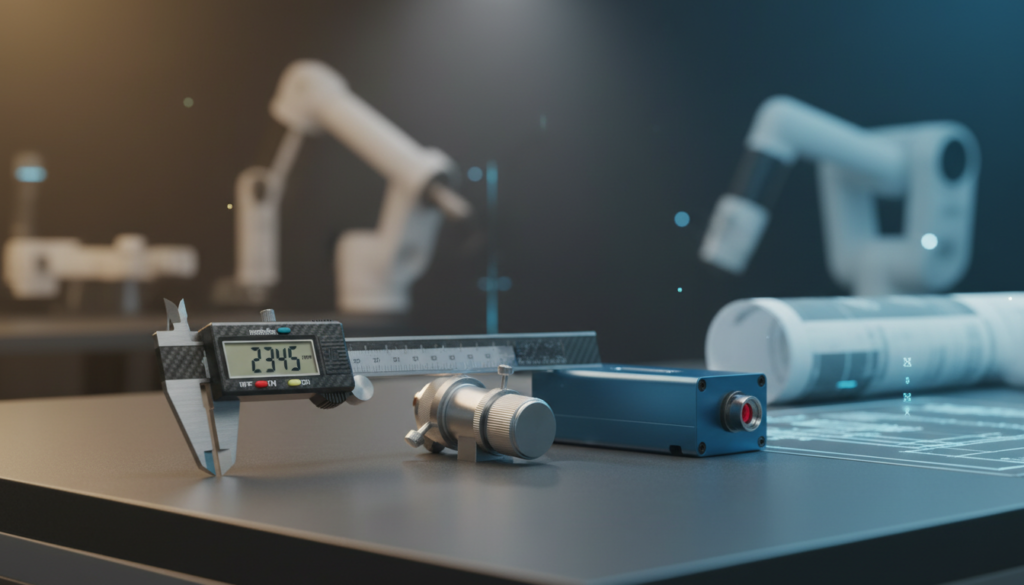
Smart Tools and Automation
Smart design is leading to “families” of tools that share a common logic. Imagine a set of power tools for a hospital, paired with cutting attachments that match speed, torque, and balance. You’re not mixing and matching anymore; you’re running a system.
Automation shows up in small, practical ways. Built-in limits help keep consistent depth or pressure. Feedback cues guide your pace. The goal is tighter control, steadier outcomes, and less wasted motion.
| What’s changing | What you notice in use | Why it matters |
|---|---|---|
| Accessory portfolios designed to work together | Smoother swaps and fewer fit issues | Better consistency across tasks in tool manufacturing |
| Integrated sensors and simple feedback | More confidence during delicate steps | Supports precise engineering without slowing you down |
| Automation for repeatable settings | Less variation between passes or cuts | More predictable performance from Precision Tools |
Advances in Materials Science
Materials are playing a big role now. You’ll see it in HSS and carbide industrial cutters and reamers. Edge life and wear resistance can change a job’s pace.
In cutting work, materials and geometry are key. Designs that reduce cutting temperature often do it by lowering contact area. This reduces heat at the edge. It’s a quiet shift, but it shows how precise engineering comes from smart material choices.
Future Trends
The next wave is all about control and feel. Better tactile response during transitions matters, like when moving into cortical bone. This feedback turns a fast tool into a trustworthy one.
Expect more work on reducing vibration and noise, too. Fatigue is real, and tiny shakes add up. Efficiency will keep rising, but the best gains will come from smoother handling, clearer feedback, and tighter integration across Precision Tools and tool manufacturing workflows.
The Role of Precision Tools in Safety
Safety isn’t just about wearing gloves and posting signs. It’s about making sure everything goes smoothly. Small improvements in how tools work can make a big difference in feeling safe.
Teams spend a lot on good equipment and keep it in top shape. This means less shaking and less strain. When tools work the same way every time, you can focus on your work.
Reducing Workplace Accidents
Most accidents don’t happen because of a big mistake. They start with small issues like shaking or slipping. In surgeries, using tools that vibrate less helps keep things steady.
Dr. Philipp Lobenhoffer from Hannover, Germany, found that special saws cause less damage. They move smoothly, which is safer.
In shops and labs, the same idea works. Tools that cut straight and measure accurately prevent mistakes. This means less need for quick fixes and less risk.
- Better feedback in the hand, so you catch resistance early
- Cleaner cuts that reduce snagging and kickback risk
- Repeatable measurements that prevent mismatched parts and forced fits
Compliance with Regulations
Rules might seem dull, but they’re important. Hospitals and industrial teams follow strict rules to stay safe. Precision tools and clear data help meet these standards.
With quality equipment, you know what to expect. Tools designed for specific tasks help teams train better. This means following rules and tracking tool history easily.
| Safety need | What gets documented | How it lowers risk |
|---|---|---|
| Consistent cutting performance | Tooth geometry, blade type, recommended speed range | Reduces stalls, binding, and sudden jumps during use |
| Reliable fit with guided systems | Dimensions, tolerances, compatibility notes | Prevents misalignment that can lead to slips or off-target cuts |
| Predictable handling over time | Maintenance intervals, calibration checks, wear indicators | Catches dullness or drift before it turns into a safety issue |
| Traceable workflow | Lot numbers, service records, inspection sign-offs | Supports audits and helps isolate problems quickly |
Leading Brands in Precision Tools Market
When you’re looking for Precision Tools, brand names might seem like a quick fix. But in places like the OR, you need more than a logo. The best tools are consistent, easy to use, and fit real workflows.
Stryker is a well-known brand in orthopedic power tools. It shows that speed is important, but control is more so. Today’s top tools are often sold as complete systems. They include power handpieces and cutting accessories for different procedures.
Overview of Top Manufacturers
There are a few main groups in the market. Some makers focus on strong power tools that can handle daily use. Others offer a wide range of blades and burrs for different needs.
The best tools aren’t just strong. They’re also predictable. Look for tools with low vibration, good balance, and accessories that stay in place during fast work.
Brand Comparisons and Reviews
When comparing tools, look for claims you can test. For example, some tools are 19% faster than others. Others have a 23% reduction in excursion arc, making them easier to use in tight spaces.
Design matters a lot. Tools with stationary cartridges are better for freehand work and last longer. Thinner profiles also help avoid getting stuck, which is useful in tight spots.
| What to compare | What you’re looking for | Why it matters in use |
|---|---|---|
| Cutting speed claim | Reported 19% faster tooth geometry (where documented) | Less time on the cut, but only if control stays steady |
| Control metric | Surgeon-reported 23% reduction in excursion arc vs a sagittal blade | Tighter movement can mean fewer corrections mid-cut |
| Cartridge design | Stationary cartridge for freehand stability and reduced guide wear | More consistent tracking when guides and angles matter |
| Blade profile | Thinner profile to reduce binding | Smoother feed through dense bone or narrow approach paths |
| System depth | Power tool system plus a robust cutting accessory portfolio | Fewer compatibility headaches across cases and teams |
Reviews are like maps, not final judgments. The best tools are ones you can measure and feel. They should have good balance, consistent cuts, and accessories that work the same every time. This is how tools become leaders in busy days.
The Economic Impact of Precision Tools
Precision tools are more than just nice to have. They affect budgets, schedules, and confidence. Small design changes can have big financial impacts, like saving on labor and parts.
Quality equipment offers quiet benefits. For example, less sticking in guide slots means fewer pauses. Better chip clearance and lower heat protect edges, keeping performance steady.
Cost-Benefit Analysis
The cost side is clear: price, training, upkeep, and parts. But the benefits are seen when the tool works well every time. This is where precise engineering pays off, with predictable tracking and cleaner cuts.
Some tools aim to reduce wear on guides, saving on replacements. In a study, a design showed an 84% reduction in metal use. This hints at less wear and fewer replacements over time.
| Tool behavior you can see | What it can change | Where the dollars tend to move |
|---|---|---|
| Smoother travel with reduced binding in guide slots | Fewer stop-and-reset moments during the cut | Lower labor time and fewer schedule overruns |
| Improved chip clearance and lower cutting temperature | More stable cutting feel and less edge stress | Longer intervals between rework, sharpening, or replacement |
| Designs that reduce wear on cut guides | Guide surfaces stay consistent for longer | Reduced spend on guide replacement and fewer fit-related interruptions |
Contribution to Productivity
Productivity is real when you feel it. A tool that cuts cleanly keeps your rhythm. Some designs are 19% faster, making a big difference all day.
In quality equipment, efficiency comes from small details. Optimal tooth engagement prevents chatter and grabbing. When these details are right, you spend less time fighting the tool and more time finishing work.
Future of Precision Tools in a Changing Landscape
The next wave of high precision tools will focus on feel and performance. They will be quieter and smoother, fitting better into real-world tasks. The aim is to offer more control and less strain.
Challenges Faced by Manufacturers
Manufacturers face a big challenge: making tools quieter without losing speed. They need better balance and smarter designs. These tools must also feel right in your hand.
Tools now need to work for different body parts. They must perform well for all types of work. This means creating many specialized tools.
Catalogs are growing, with more specialized tools. Makers must balance creating niche options with keeping things practical. This ensures tools are useful on the job.
Sustainability Initiatives
Sustainability efforts are becoming more detailed. Some makers use designs that reduce waste and wear. For example, they’ve cut metal use by 84%.
Efficiency is key to sustainability. Tools that use less friction and heat last longer. This approach reduces waste and is measurable.
FAQ
What are Precision Tools, in plain English?
Why do Precision Tools matter across both medical and industrial work?
What’s the real historical shift from early bone-cutting tools to high precision tools?
What counts as a key milestone in today’s precision cutting systems?
Which measuring instruments show up in real precision workflows?
What are the main cutting tool categories in modern precision catalogs?
Where does “precision” show up in assembly tools, not just cutting tools?
What are finishing tools, and why do they matter in professional tools?
What materials are common in quality precision tools and industrial products?
How do tolerance levels show up in real tool specs?
What makes modern precision tool systems versatile?
Which medical and surgical applications rely most on precision tools?
How do aerospace and defense depend on precision tool manufacturing?
Where do Precision Tools show up in automotive manufacturing?
What does precision tooling look like in electronics production?
How should you choose the right precision cutting tool for guided work?
What are common mistakes professionals make with precision tools?
What does good cleaning and care look like for high precision tools?
How do calibration techniques apply to precision measuring tools?
What storage solutions work best for precision equipment?
What does “smart tools and automation” mean in modern precision systems?
How are advances in materials science improving precision tools?
What future trends are shaping precision tool technology?
How do precision tools help reduce workplace accidents?
What does compliance look like for precision tools in hospitals and industry?
Who are the top manufacturers people recognize in precision surgical power tools?
What should you compare when reading brand comparisons and reviews?
How does a cost-benefit analysis work for precision tool systems?
How do precision tools contribute to productivity?
What challenges do manufacturers face in building industry leading tools?
What do sustainability initiatives look like in precision tool manufacturing?
Get More Medical History
Join our newsletter for fascinating stories from medical history delivered to your inbox weekly.