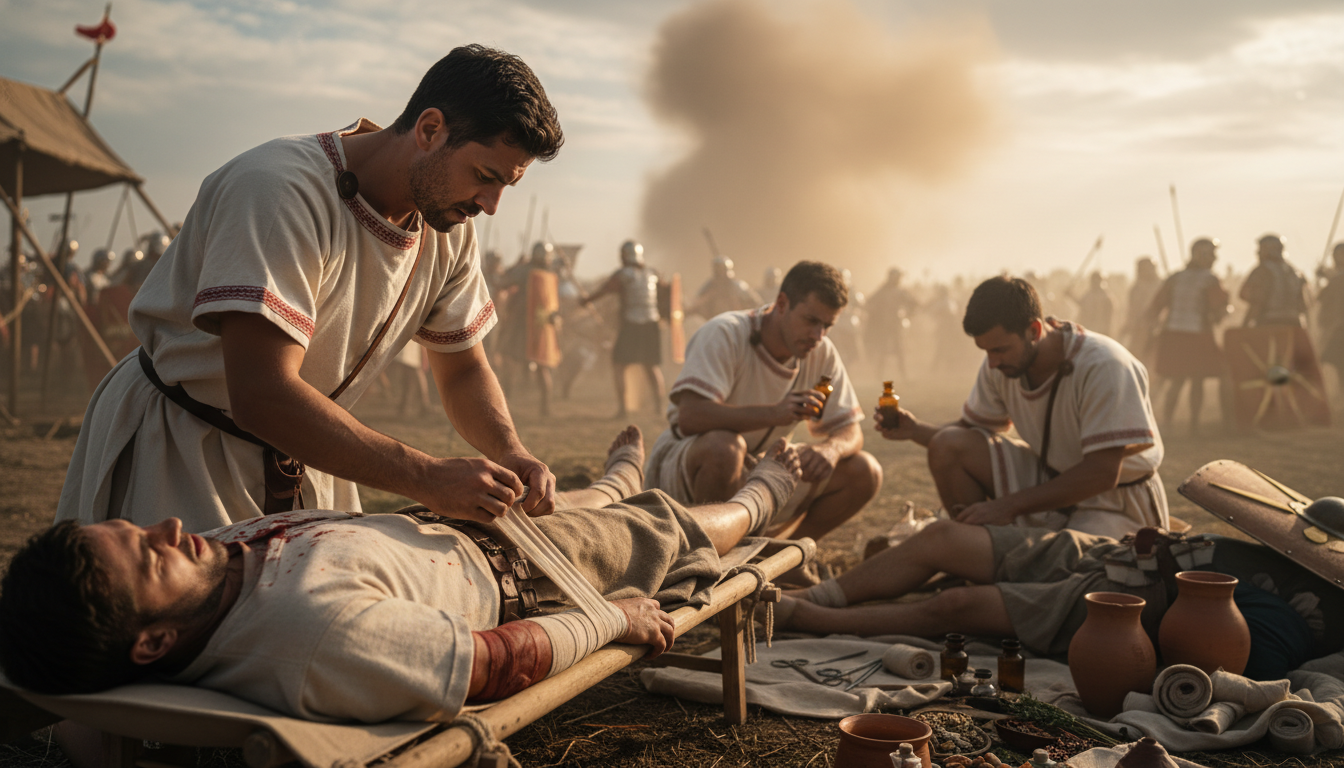
The History of Healing
 Shamanism and Medicine in Prehistoric Societies
Shamanism shaped ancient healing practices, blending spiritual ritual with early medicine to treat illness in prehistoric communities across cultures.

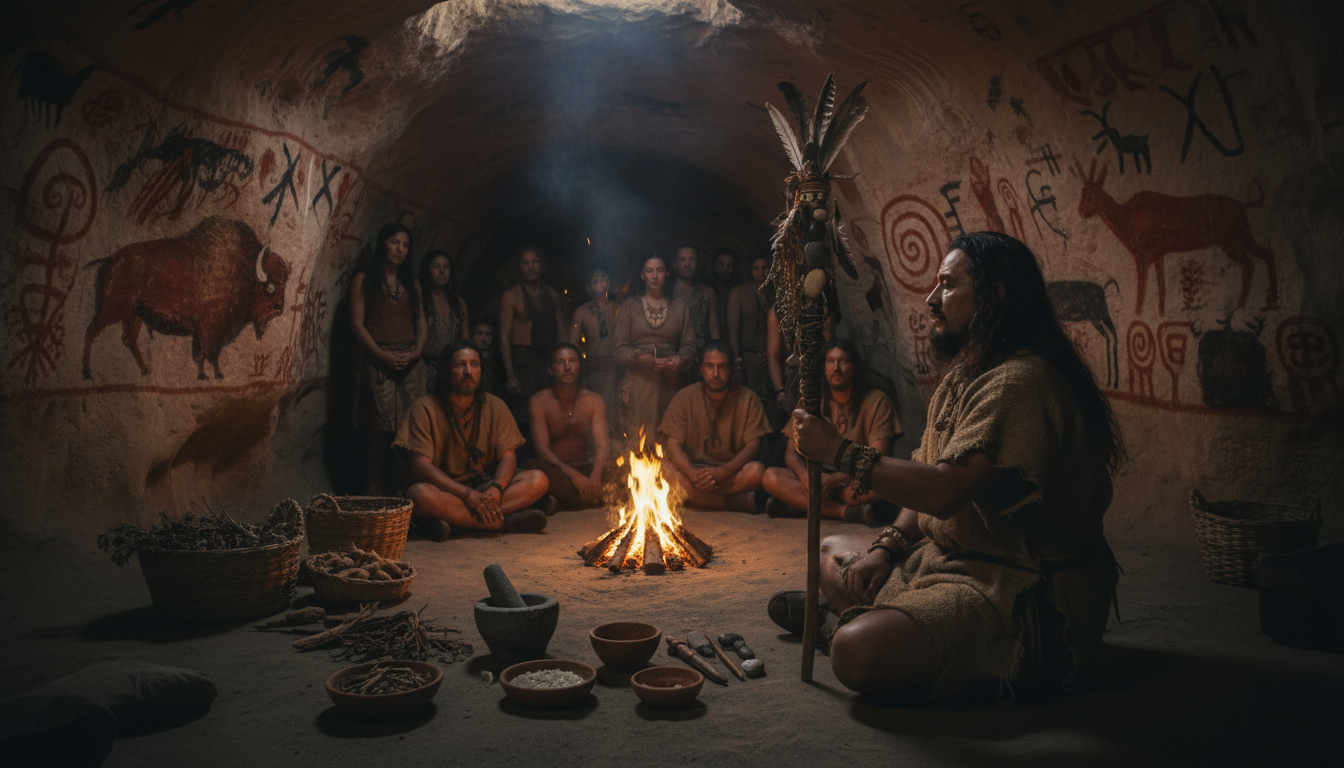
Scientists found cave paintings in France’s Lascaux Cave that are 17,000 years old. They show figures in trance-like states with animal features. This is some of the earliest evidence of shamanism on Earth. Shamanism is an ancient healing tradition that goes back at least 30,000 years.
You might think prehistoric medicine was just about setting broken bones with sticks and mud. But our ancestors developed complex healing systems. They mixed spiritual healing with real medicinal knowledge. Take Ötzi the Iceman, who died 5,300 years ago in the Alps. Scientists found he carried Piptoporus betulinus fungus. Modern research shows this fungus kills bacteria and parasites in the gut.
Life was tough back then. Most people died between 25 and 40 years old. Women faced deadly risks during childbirth. Everyone’s joints ached from constant physical labor. Yet, these ancient healing practices spread across every continent where humans lived.
What’s really wild is that shamanism wasn’t just one thing. Each group of people created their own version based on local plants, animals, and beliefs. But they all shared something powerful: the idea that healing the spirit could heal the body. These indigenous traditions passed down knowledge about which plants stopped bleeding, which bark reduced fever, and which roots eased pain.
Key Takeaways
- Shamanism represents one of humanity’s oldest healing systems, dating back over 30,000 years
- Cave art from 17,000 years ago shows clear evidence of shamanic practices in prehistoric societies
- Ancient healers combined spiritual practices with practical medicinal knowledge that actually worked
- Prehistoric medicine spread independently across all inhabited continents
- Life expectancy ranged from 25-40 years, making effective healing practices critical for survival
- Indigenous traditions preserved valuable knowledge about medicinal plants that are studied today
Introduction to Shamanism
Imagine ancient humans gathered around a fire, watching a figure in animal skins enter a trance. This scene happened all over the world for tens of thousands of years. These early spiritual leaders helped our ancestors understand illness, death, and the invisible forces they believed in. Their impact on prehistoric medicine men is profound.
Definition of Shamanism
The word “shaman” comes from the Tungus people of Siberia. But it describes a universal concept. A shaman acts as a bridge between our world and the spiritual realm. They enter trance states to communicate with spirits and ancestors.
Think of them as the first therapists, doctors, and spiritual guides. Shamanic practices involve entering altered states to diagnose and predict the future. These rituals follow patterns passed down through generations.
Historical Context
Cave paintings in France, Spain, and Indonesia show shamanic practices dating back 30,000 years or more. The famous Lion Man sculpture from Germany, carved 40,000 years ago, might represent an early shaman. These ancient medicine men left their mark in rock art, showing humans transforming into animals and dancing in rituals.
Importance in Prehistoric Cultures
In prehistoric societies, shamans played key roles:
- Healing physical and mental ailments through spiritual realm interventions
- Leading hunting rituals to ensure successful expeditions
- Mediating conflicts between community members
- Preserving cultural knowledge through oral traditions
- Guiding souls during birth and death transitions
Without hospitals or written medical texts, prehistoric people relied on shamans. When someone fell ill, the shaman’s trance journeying determined the cause. Their diagnoses shaped treatment approaches that combined practical remedies with spiritual interventions.
The Role of Shamanism in Healing
Prehistoric shamans were more than just spiritual leaders. They were the first holistic healers. They knew that physical health is linked to emotional and spiritual well-being. Their healing methods combined rituals with deep understanding of the mind.
Spiritual Healing Practices
Shamans could diagnose conditions we recognize today. They talked about “soul loss,” a spiritual disconnection from trauma. This is similar to what we call PTSD. They used energy clearing to bring back lost parts of a person’s soul.
The Connection Between Mind and Body
These healers understood the mind-body connection long before we did. Apache medicine men looked at both physical symptoms and past actions. They linked guilt and behavior to health. This was advanced for their time.
Shamanic Rituals and Ceremonies
Plant medicine ceremonies were not just random gatherings. Shamans spent years learning through fasting and isolation. They used:
- Rhythmic drumming to alter consciousness
- Chanting and sacred songs
- Dancing to connect with spirit realms
- Community gatherings for collective healing power
Each part of the ceremony had a purpose. It created a deep, immersive healing experience that touched every part of human wellness.
The Shaman as a Healer
Imagine living thousands of years ago. The person everyone trusted for healing did more than just treat physical ailments. They worked with forces we can’t see, traveled to other realms, and carried the weight of their community’s health. These were the shamans, and their path to healing was unlike anything we know today.
Characteristics of Prehistoric Shamans
Shamans were not like the average people of their time. They had special qualities that made them stand out. They could enter trance states, talk to spirits, and understand dreams and visions that others couldn’t grasp.
So, who became a shaman? Often, it was those who showed signs early in life. They might have had unusual dreams, survived serious illnesses, or felt nature’s rhythms deeply. These individuals carried ancestral wisdom and acted as bridges between the physical and spiritual worlds. Both men and women could be shamans, though indigenous traditions varied greatly.
Training and Initiation Processes
Becoming a shaman was not something you could learn from books. The training was incredibly tough. Future shamans went through periods of isolation in the wilderness, fasting until they were almost exhausted. They induced visions through drumming, dancing, or sacred plants.
Each culture had its own intense initiation rites. Siberian apprentices learned to navigate supernatural realms, while Amazonian trainees used powerful plant medicines. This knowledge was passed down through oral tradition, not written exams. It took years of watching, listening, and experiencing the unseen worlds.
Tools and Instruments Used by Shamans
Imagine a prehistoric healer’s toolkit. It was surprisingly advanced! These ancient healers didn’t just hope for magic to work. They used special tools to connect with animal spirits and heal others.
Sacred Objects in Shamanism
Shamans cherished certain objects for their spiritual power. Drums made from animal hides connected them to the spirit world. Rattles, filled with seeds or stones, called out protective spirits during rituals.
Feathers from eagles and ravens carried messages from the sky realm. They represented the animal spirit guides’ wisdom.
The Role of Music and Dance
Drumming was more than just music; it was healing medicine. The rhythm changed consciousness, letting shamans travel between worlds. Chanting certain sounds vibrated through the body, aiding in healing.
Dancing mimicked animals, like a bear or an eagle. This invited animal spirit guides to help in the healing process.
Healing Herbs and Plants
Plant medicine was key in prehistoric healing. Shamans learned about herbal remedies by watching animals. Birch polypore fungus helped with stomach issues in Northern Europe.
Australian Aboriginal healers used herbs and bark in rituals. Women were experts in finding plants for specific ailments. Today, about 25% of our medicines come from these ancient plants!
Shamanistic Beliefs and Worldviews
Prehistoric peoples saw the world in a way that’s very different from today. They believed in a world where the physical and spirit realms were always connected. This view deeply influenced their spiritual healing and medicine.
Cosmology in Shamanism
Shamans thought the universe was divided into three main parts. The upper world was home to gods and celestial spirits. The middle world included humans, animals, and nature spirits. The lower world was where ancestors and earth spirits lived.
They believed these worlds were connected by invisible energy threads. This connection allowed for interaction between them.
Art from places like Lascaux in France and Altamira in Spain shows humans with animal features. These images suggest shamans could travel between worlds. They thought stars, mountains, and rivers were alive and could impact human health.
Understanding Illness and Health
Shamans saw illness as more than just physical symptoms. They believed many spiritual reasons could cause disease. They used holistic healing methods to address these issues.
| Spiritual Cause | Symptoms | Treatment Method |
|---|---|---|
| Soul Loss | Depression, weakness, chronic fatigue | Soul retrieval ceremonies |
| Spirit Intrusion | Sudden illness, fever, pain | Extraction rituals with drums |
| Ancestral Imbalance | Family illnesses, misfortune | Offerings and reconciliation rites |
| Broken Taboos | Community-wide problems | Purification and restoration ceremonies |
Shamans treated the whole person, not just the body. They believed breaking rules or upsetting nature could cause illness. To heal, they used rituals, herbs, and involved the community. Sound familiar? Today, many healing methods also focus on treating the root cause of problems.
Community and Social Dynamics
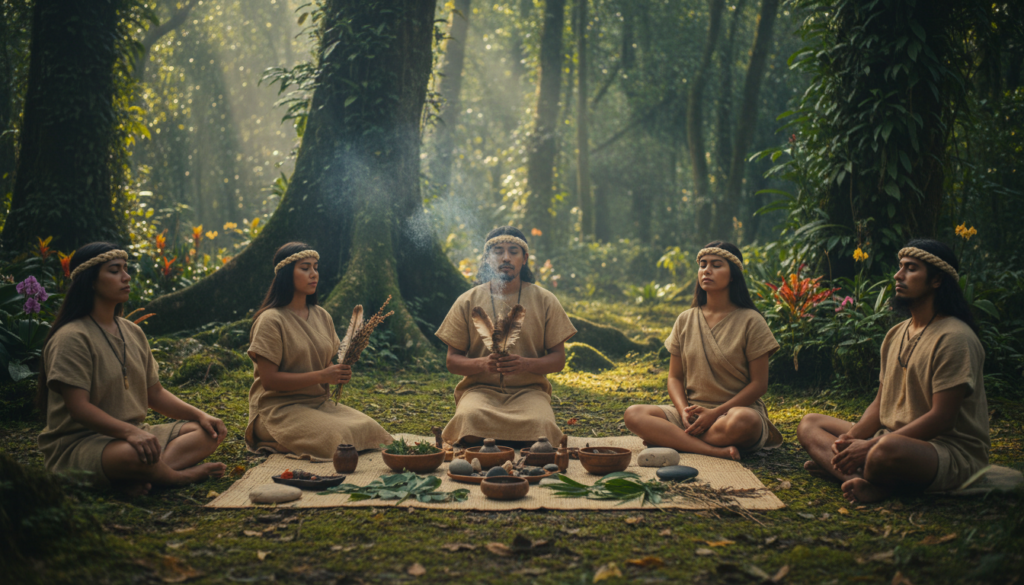
Imagine a prehistoric village where sickness hits one family. The shaman doesn’t just treat the sick person alone. The whole community joins in the healing process. This way of treating illness helped shape indigenous traditions over thousands of years. It created strong bonds that went beyond just medical care.
The Shaman’s Role in Society
Shamans were like doctors, priests, counselors, and keepers of ancient wisdom all in one. In the Arctic, Inuit shamans helped hunters find seals and treated frostbite and breathing problems. Australian Aboriginal shamans kept oral histories alive for 60,000 years, sharing medicinal plant knowledge through songs and stories.
These spiritual leaders were respected for their medical skills and keeping the peace. Women shamans focused on childbirth and kids’ health, teaching about plants and medicine to the young.
Collective Healing Practices
Healing wasn’t just about fixing symptoms; it also brought people together. Apache healing ceremonies lasted for days, filled with singing, dancing, and prayer. The Navajo Night Chant ceremony involved dozens of people over nine nights, combining individual care with group support.
These group rituals had many benefits:
- They strengthened cultural identity through shared experiences
- Offered emotional support to the patient
- Passed on medical knowledge to the young
- Helped the community come together during tough times
This mix of medicine and social life made sure ancient wisdom was passed down through generations. Shamans were key to the social fabric of prehistoric society.
Shamanism and Ancient Medicine
Prehistoric shamans were more than just dancing and chanting. They developed real medical techniques that shaped today’s medicine. Their holistic healing ideas are now catching up with modern science.
Comparison with Modern Medicine
Today’s doctors use MRI machines and antibiotics. But shamans worked with nature’s gifts. Trepanation, drilling holes in skulls, had a 50% survival rate 4,000 years ago. Modern neurosurgeons use similar methods for brain injuries.
Shamans also focused on mental health and community. These ideas are now part of modern healing. Hospitals worldwide are adopting holistic healing approaches.
Contributions to Early Medical Practices
Ancient shamans gave us a lot. Your grandma’s blood pressure medication comes from snakeroot. Heart patients taking digitalis owe it to prehistoric healers who used foxglove extract.
Even dentistry has ancient roots. Italian caves show 13,000-year-old dental work. Pakistan’s Indus Valley has drilled teeth from 7,000 BCE. These early practitioners used clay casts for broken bones and knew a lot about herbs.
Influences of Geography on Shamanism
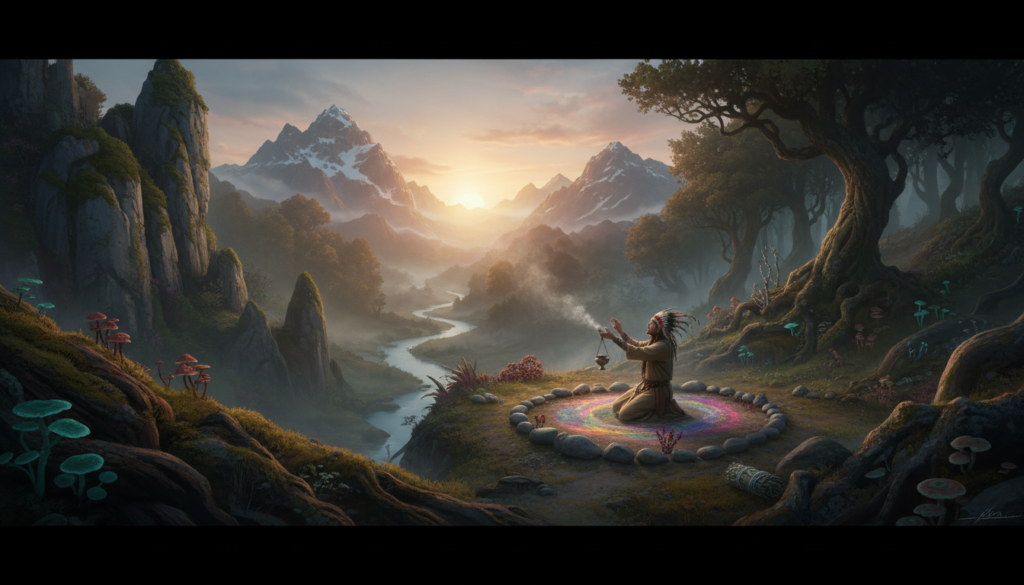
Shamanic healing varies greatly around the world, thanks to geography. Imagine a Siberian shaman in reindeer fur rituals in the cold tundra. Next, picture an Australian Aboriginal healer under the hot desert sun. Each place has its own healing traditions that we’re learning about today.
Variation Across Different Regions
In Central Eurasia, shamans adjusted their cultural healing practices to the harsh climate. Nomadic lifestyles influenced their rituals, focusing on animals and hunting. They wore animal skins and used drums to connect with the earth and universe.
Rain-stones were key for them, helping to bring rain or keep snow away. This was practical magic for survival.
Australian Aboriginal clans had their own healing ways. There was no single book of remedies across the continent. Desert tribes used different plants than coastal groups. Arctic peoples used animal remedies, while tropical shamans had access to many medicinal plants.
Cultural Exchange and Influences
Trade routes changed indigenous traditions by spreading healing knowledge. Merchants on the Silk Road carried more than just silk. They brought medical wisdom from Asia to Europe. Islamic scholars later preserved and enhanced this knowledge during their Golden Age.
These exchanges led to interesting hybrids. Ayurvedic principles mixed with local shamanic practices in Southeast Asia. Chinese medicine took in tribal healing wisdom from around it. European herbalism later added indigenous knowledge from colonized areas, shaping today’s alternative medicine.
Case Studies in Shamanism
Ever wondered how ancient healing worked? Archaeological finds show us that prehistoric shamans were far more advanced than we thought. From Egyptian papyri to frozen mummies, these discoveries reveal complex medical systems. They combined practical knowledge with spiritual practices.
Analysis of Specific Cultures
The Edwin Smith Surgical Papyrus from 1600 BCE Egypt is like an ancient medical book. It lists over 700 remedies for various ailments. Egyptian healers used trance journeying rituals alongside surgery, believing in the spirit world’s healing power.
Mesopotamian tablets from 2000 BCE show āšipū priests conducting plant medicine ceremonies. These healers documented diseases with great accuracy. They mixed scientific treatments with magical incantations, blending science and spirituality.
Insights from Archaeological Findings
Physical evidence tells amazing stories. Ötzi the Iceman carried medicinal fungus when he died 5,300 years ago in the Alps. Cave paintings in France depict figures wearing antler headdresses during healing rituals.
| Discovery | Location | Evidence of Ancient Healing |
|---|---|---|
| Skull Surgery | Peru | Successful trepanning operations |
| First Trepanning | Ensisheim, France | 5000 BCE skull operation |
| Ebers Papyrus | Egypt | Gynecology and dermatology treatments |
| Šurpu Series | Akkad | Ritual magic invoking gods |
These finds show that ancient people had advanced medical systems. They knew anatomy, performed surgeries, and used spiritual practices in healing. Plant medicine ceremonies were key to community health, not just religious events.
The Legacy of Shamanism Today

Shamanism might seem like a thing of the past, but it’s alive and thriving today. Step into any wellness center and you’ll see practices that echo ancient traditions. Yoga, acupuncture, and more are all part of a spiritual healing revival.
Modern Practices and Revivals
Indigenous communities are bringing back their traditions after years of being silenced. The Foundation for Shamanic Studies teaches these ancient ways to today’s practitioners. Energy clearing workshops are as popular as Taylor Swift concerts.
Many modern medicines come from plants first used by traditional healers. Aspirin from willow bark and digitalis from foxglove are just a few examples.
Today, practitioners mix old wisdom with new knowledge. They use drumming for stress, plant medicines for depression, and rituals for trauma. It’s not about replacing modern medicine – it’s about creating something richer.
Integration with Alternative Medicine
Hospitals now offer Reiki alongside traditional treatments. Insurance covers acupuncture. Mental health clinics use mindfulness meditation, rooted in shamanic practices.
This integration is not just a trend. It’s proven to work. Patients report better pain management and faster recovery times.
Energy clearing helps cancer patients deal with treatment side effects. Veterans find PTSD relief through shamanic journeying. Chronic pain sufferers find hope in practices their ancestors knew.
Shamanism and Indigenous Knowledge
It’s shocking to see thousands of years of medical knowledge disappearing. Every time an elder passes away, we lose valuable cures. These traditions are humanity’s oldest clinical trials, showing which plants heal and which harm.
Importance of Oral Traditions
Apache medicine men spent years learning from their teachers. They memorized everything about local plants and healing methods. They became experts in herbal medicine preservation.
Aboriginal Australian clans had unique healing practices for their environment. Women gathered herbs, made remedies, and taught their daughters through stories and hands-on learning.
Preservation of Medicinal Plants
The numbers show a sad story about what we’ve lost:
| Region | Traditional Plants Documented | Estimated Knowledge Lost |
|---|---|---|
| Eastern Australia | 312 species | 65% |
| Amazon Basin | 4,500 species | 30% |
| North American Plains | 890 species | 45% |
Scientists are racing to document indigenous traditions before they’re lost. But there are ethical questions. Who profits when pharmaceutical companies use ancestral wisdom for drugs? Communities that preserved this knowledge for centuries often get no compensation.
Criticism and Controversies in Shamanism
The modern shamanic revival isn’t just about spiritual journeys and healing drums. It gets complicated when ancient traditions meet today’s world. The commercial use of sacred indigenous knowledge raises big questions about respect, authenticity, and who profits from ancestral wisdom.
Misinterpretation of Practices
Have you seen shamanic practices watered down at wellness retreats or New Age shops? What happens when you take a ritual meant for Arctic hunters and move it to a Manhattan yoga studio? This leads to cultural appropriation at its worst. Sacred ceremonies become weekend workshops, and complex spiritual systems are reduced to Instagram moments.
The gap is huge. A practice needing years of training in indigenous communities is now offered in three-day courses. Ayahuasca ceremonies, once guided by experienced Amazonian healers, now appear in suburban basements without proper traditional medicine validation or safety measures.
Ethical Considerations
The ethics get complicated when we look at who makes money. Indigenous communities often face economic struggles while their spiritual practices make millions for Western entrepreneurs. It’s not just about money—it’s about ethical healing practices and respecting the source.
| Practice | Traditional Context | Modern Commercialization |
|---|---|---|
| Sweat Lodge Ceremonies | Native American purification ritual | $200-500 spa retreats |
| Ayahuasca Journeys | Amazon basin healing tradition | $3,000-8,000 tourism packages |
| Smudging Rituals | Indigenous cleansing practice | $15-40 sage bundles at retail stores |
Scientific validation is another hurdle. You can’t run a double-blind study on soul retrieval. Regulatory bodies face challenges in integrating practices that don’t fit Western medical models. This leaves practitioners in legal gray areas and patients without clear safety guidelines.
The Future of Shamanism
Ancient wisdom and modern science are coming together in new ways. Shamanic practices are not fading away; they are changing. Doctors and traditional healers are finding ways to work together.
The COVID pandemic showed us that we need to heal both body and mind. This idea is opening up new paths for spiritual healing. Paths that our ancestors knew were important.
Contemporary Challenges
Today, traditional shamanic knowledge faces big challenges. Laws struggle to accept plant medicines used for centuries by indigenous peoples. It takes years to become a true practitioner, but some workshops promise quick certification.
The biggest challenge is protecting ancient wisdom while making it available to those who need it. This balance is hard to achieve.
Cultural appropriation is a major issue. Native American, Siberian, and Amazonian communities see their sacred practices being used without permission. It’s important to create ethical ways to share healing knowledge while respecting cultural boundaries.
Potential for Healing and Integration
The future of integrative medicine looks promising. Places like Stanford, Johns Hopkins, and UCLA are studying psychedelic therapies. These studies mirror ancient ceremonial practices.
Imagine hospitals where patients can choose between traditional treatments and spiritual healing. Some cancer centers already offer Reiki and meditation. Indigenous healers are working with doctors on cases involving trauma and addiction.
This is not just a dream. It’s happening in hospitals around the world. It shows that ancient wisdom and modern science can work together for healing.
Conclusion
What a wild ride through 30,000 years of healing history! We’ve seen how shamanism changed our views on medicine and wellness. These ancient practices were more than just rituals. They were complex systems that modern healthcare is now catching up on.
People long ago knew that healing the body meant healing the mind and spirit too. This understanding is key to their success.
Summary of Key Insights
Prehistoric shamans gave us much more than we thought. They found plants like foxglove that became heart medications. They even performed skull surgeries that patients survived.
They knew that emotions affect our health, a fact Western medicine accepted only recently. The Hippocratic tradition borrowed from their methods. Native American sweat lodges inspired modern detox treatments.
Chinese medicine’s energy concepts also come from shamanic worldviews. These weren’t guesses. They were careful observations passed down through generations.
The Ongoing Relevance of Shamanism
Today, healthcare is embracing what shamans always knew. Mayo Clinic offers meditation programs. UCLA has a center for mindfulness research. Even insurance covers acupuncture treatments.
This isn’t about replacing antibiotics with crystals. It’s about recognizing ancient healing practices offer real solutions. When Stanford Medical School teaches doctors about traditional healing, you know change is happening.
The future of medicine is looking back at its past. We’re mixing MRI machines with mindfulness, surgery with spirituality, and prescriptions with prevention. Shamanism teaches us that healing happens in community, not isolation.
It reminds us that patients are whole people, not just symptoms. As we face new health challenges, these old lessons are fresh insights. The shamanic understanding of balance is exactly what modern healthcare needs most.
FAQ
What exactly are shamanic practices and when did they first appear?
How did prehistoric shamans use plant medicine ceremonies for healing?
What role do animal spirit guides play in shamanic healing?
How does energy clearing work in traditional shamanic healing?
Why is ancestral wisdom relevant to modern holistic healing?
Are indigenous traditions of shamanism being practiced today?
What’s the difference between spiritual healing and modern medical treatment?
How can someone experience authentic shamanic practices today without cultural appropriation?
Get More Medical History
Join our newsletter for fascinating stories from medical history delivered to your inbox weekly.