The History of Healing
 Tuberculosis in 19th Century Society
Explore the impact and treatment of Tuberculosis in 19th Century society, from epidemic outbreaks to the rise of sanatoriums for patient care.

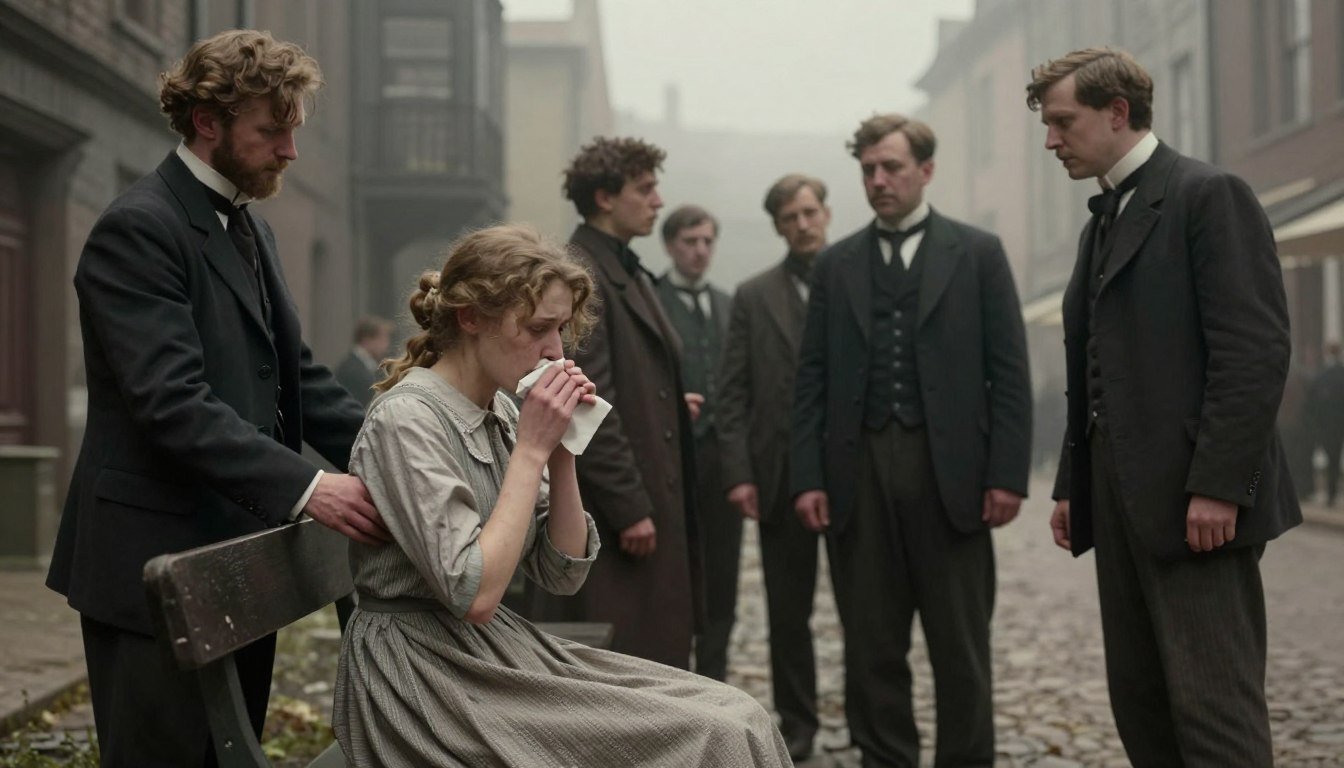
By the early 1800s, tuberculosis had killed an estimated one in seven people. This scale shows why Tuberculosis in 19th Century America was a big deal. It felt like a shadow over family life, work, and city streets.
Tuberculosis, or the consumption disease, is caused by bacteria in the Mycobacterium tuberculosis complex (MTBC). For centuries, it was known as “consumption,” “phthisis,” and the “White Plague.” These names captured its slow wasting, pale look, and the fear it caused.
The history of tuberculosis goes way back. It was found in ancient human remains from around 10,000–11,000 years ago. Modern research shows it has been with humans even longer.
The Tuberculosis in 19th Century was a peak time for many. It was between the late 1700s and the late 1800s. Back then, crowded homes, bad sanitation, and poor air made it spread easily.
In the United States, TB was more than just a medical issue. It changed how people thought about risk, planned homes, and pushed for health reforms. To get the era, you must see TB as a daily fact of life, not just a rare crisis.
Key Takeaways
- Tuberculosis in 19th Century America was feared because of its global death toll.
- TB is an infectious disease caused by bacteria in the Mycobacterium tuberculosis complex (MTBC).
- The consumption disease was also known as “phthisis” and the “White Plague,” reflecting how people experienced it.
- The history of tuberculosis reaches back at least 10,000–11,000 years, showing long co-existence with humans.
- The 19th century likely marked peak incidence in many regions, making TB a defining issue of that period.
- In the U.S., TB influenced everyday choices and helped push public health thinking into the mainstream.
The Rise of Tuberculosis in the 19th Century
In the United States, the Tuberculosis in 19th Century story is often told as a sudden wave of “consumption.” But the germ behind it had a long head start. Once crowded cities and close indoor living became common, older biology met new conditions, and the tuberculosis epidemic 19th century gained speed.
Overview of the Disease
Tuberculosis is caused by the Mycobacterium tuberculosis complex (MTBC), a group of closely related bacteria. Modern genetic work points to deep roots in Africa and a long co-history with humans. That long fit with people helps explain why the disease could spread so efficiently once daily life changed.
Whole-genome studies also suggest TB is ancient, rising roughly 70,000 years ago and expanding in major waves tied to human migration. Researchers describe nine human-adapted MTBC lineages, each linked with regions shaped by travel and settlement. By the time TB outbreaks 1800s became headline tragedies, the pathogen had already learned to thrive in many populations.
| Human-adapted MTBC lineages | Geographic pattern often reported | Why this mattered by the 1800s |
|---|---|---|
| Lineage 1 | East Africa; Philippines | Shows long-standing adaptation across distant ports and coastal trade routes |
| Lineages 2–4 | Eurasia | Overlap with dense cities and frequent migration that later fed TB outbreaks 1800s |
| Lineages 5–6 | West Africa | Highlights deep regional history that moved with people through forced and voluntary migration |
| Lineage 7 | Ethiopia | Reinforces that distinct strains persisted alongside local populations over time |
| Lineage 8 | East Africa | Supports an African origin narrative and long-term diversification |
| Lineage 9 | East Africa | Another marker of early evolutionary branching before modern public health systems |
Early Symptoms and Transmission
In 1800s America, people recognized consumption by what it did to the body. Many faced a hacking cough, blood in sputum, chest pain, and crushing fatigue. Weight loss and night sweats often followed, making illness hard to hide at home or work.
Transmission happens through the air, specially when infected people cough in shared indoor spaces. Before germ science took hold, families sometimes treated TB as hereditary or fated. In 1882, Robert Koch identified the bacterium, shifting Tuberculosis in 19th Century thinking toward contagion and prevention.
Impact of Industrialization
Industrial growth changed where and how Americans lived. Tenements, boarding houses, and factory neighborhoods packed people into poorly ventilated rooms. In that setting, the tuberculosis epidemic 19th century hit the urban working class hard.
Overcrowding, undernutrition, and weak sanitation raised risk at the same time, turning routine coughs into community spread. These pressures did not create TB, but they helped it travel faster and farther. That is the backdrop for the sharp rise associated with TB outbreaks 1800s in industrial cities.
Social Perception of Tuberculosis
In 19th Century cities, people talked about illness in two ways. One voice feared getting sick and being poor. The other saw tuberculosis as a sign of sensitivity, youth, and beauty.
This split view changed how people saw sick bodies in public. A pale face and a soft cough could mean someone was refined. Yet, families saw the real cost of tuberculosis at home.
Romanticizing Illness in Literature
Romantic-era writing made tuberculosis seem beautiful. Young adults dying fit the era’s focus on emotions. Suffering was seen as meaningful, not just sad.
John Keats wrote about seeing blood after coughing, calling it his death sentence. His poem, “La Belle Dame sans Merci,” showed pale faces and fading beauty. These images taught readers about tuberculosis, even if they never cared for a patient.
Other writers made decline seem elegant. Charlotte Brontë called tuberculosis a flattering illness. George Gordon, Lord Byron, even wanted to die of it because it seemed interesting.
Many believed in spes phthisica, a mix of hope and despair tied to inspiration. This belief shows how culture can change symptoms into “genius.” It was a tempting story when medicine couldn’t stop the disease.
Tuberculosis and the Bohemian Lifestyle
Later, tuberculosis was linked to artists and nightlife. Works like La Dame aux Camélias and Verdi’s La Traviata made this connection. The sick became a symbol of intensity, love, and risk.
This idea softened how people saw tuberculosis in poverty. The stage showed candlelight and a slow fade, not real hardships. This gap between art and life shaped sympathy and myths about tuberculosis.
| Cultural lens | Common image | What it suggested to the public | What it could hide |
|---|---|---|---|
| Romantic poetry and letters | Paleness, “fever” glow, delicate voice | Sensitivity, sincerity, heightened feeling | Contagion risk, long caregiving, sudden decline |
| Victorian novels | Slow wasting and moral reflection | A meaningful death, a refined character | Work loss, household crowding, medical limits |
| Opera and theater | Tragic heroine in artistic circles | Bohemian freedom touched by fate | Structural poverty, uneven access to care |
| Everyday talk in cities | “Looks consumptive” as a social label | Beauty mixed with danger and gossip | Isolation, stigma, and fear of the consumption disease |
Demographics Affected by Tuberculosis
In the 19th century, where you lived, worked, and slept mattered a lot. Places with lots of people, bad air, and long hours made it easy for TB to spread.
Reports and records show TB hit some places and people more than others. Some areas and groups got hit hard, while others saw it spread slower.

Urban vs. Rural Populations
Industrial cities were TB hotspots in the 1800s. Tenements packed families into small, poorly ventilated spaces. Poor nutrition and dirty water made it harder for lungs to fight TB.
In New York City, people used open windows and “window tents” to get fresh air. This was based on old ideas about air and health.
But TB didn’t just hit poor areas. It spread through contact, air, and care. Even in rich rural areas, TB left its mark, like in Jane Eyre.
| Setting | Common living conditions tied to exposure | Everyday factors that raised risk | Typical coping practices seen in records |
|---|---|---|---|
| Industrial-era cities | Overcrowded apartments, shared stairwells, limited sunlight | Poor ventilation, soot and dust, undernutrition, sanitation failures | Open windows, rooftop rest, “window tents,” strict bed rest |
| Rural towns and wealthy estates | More space, but close household caregiving and long indoor winters | Extended family contact, delayed diagnosis, limited local care | Isolation at home, travel for rest cures, fresh-air routines |
Age and Gender Disparities
Many TB statistics from the 19th century show young and middle-aged adults were hit hard. This age group included workers, parents, and newlyweds. It fueled public fear and stories of “wasting” illness.
Gender roles played a part in how TB symptoms were seen. Pale skin and weight loss were sometimes seen as beautiful. Fever could make cheeks and lips look rosy, creating the “doomed heroine” image.
Fashion also played a role in TB outbreaks of the 1800s. Tight corsets and strict diets weakened the body. Toxic cosmetics like arsenic and mercury were used to look frail, mixing style with sickness.
Public Health Responses to Tuberculosis
As Tuberculosis in 19th Century communities spread, public health leaders tried many tools. Some focused on care and comfort. Others used rules, inspections, and public warnings.
Establishment of Sanatoriums
One big answer was the rise of sanatoriums for tuberculosis patients. The idea was to rest, breathe clean air, and follow a routine. This could help the body fight off illness.
In 1884, Dr. Edward L. Trudeau opened America’s first sanatorium at Saranac Lake, New York. Patients spent long hours outdoors on broad porches, even in cold weather.
As Tuberculosis in 19th Century life was hard to control, this model spread across the United States. The Jewish Consumptive Relief Society (J.C.R.S.) sanatorium in Lakewood, Colorado, used porch beds and strict schedules. This kept patients outside and at rest, showing how sanatoriums were designed.
| Response | How it worked | Where it showed up | Trade-offs |
|---|---|---|---|
| Fresh-air sanatorium care | Outdoor rest on porches, regular meals, quiet routines; a hallmark of tuberculosis treatment 1800s practice | Saranac Lake, New York (Trudeau, 1884) | Costly and time-intensive; access often depended on money, travel, and available beds |
| Expanded sanatorium network | Purpose-built facilities that standardized outdoor exposure and separation from crowded homes | Lakewood, Colorado (J.C.R.S.) and other U.S. sites | Could reduce household spread, but also separated families and workers for long periods |
| Home hygiene education | Messages on ventilation, cleaning, and safer handling of sputum after TB was seen as contagious | City health departments and public notices | Helped some households, yet was harder to follow in overcrowded rooms |
Role of Government in Disease Control
After Robert Koch’s 1882 discovery, officials treated TB as contagious and partly preventable. This shift shaped rules and campaigns during Tuberculosis in 19th Century outbreaks. From school-style lessons on hygiene to more formal monitoring.
Health inspectors tracked cases, checked living conditions, and sometimes watched a patient’s movements. In the most aggressive moments, authorities quarantined people in public institutions against their will. This showed how disease control could turn coercive.
Even while pushing enforcement, many officials tied TB to living conditions. They warned that extreme poverty and poor sanitation fueled spread. This reminded everyone that sanatoriums and strict inspections could not erase all risks.
Medical Understanding of Tuberculosis
In the past, doctors called many long illnesses “consumption.” They looked for signs like a thin body, a loud cough, and fever at night. But finding the cause was hard.
Later, doctors focused more. They used better records and looked at sputum closely. But it was hard to tell TB from other lung diseases.
Advances in Diagnosis
In 1882, Robert Koch found Mycobacterium tuberculosis. This changed how doctors saw TB. It became a specific disease, not just a vague illness.
But many doctors were slow to accept this. Edward Livingston Trudeau helped prove Koch right in the U.S. Yet, old ways of treating TB didn’t change right away.
Theories about Causes and Treatments
Before Koch, doctors argued about TB. Some thought it was hereditary, while others believed it was contagious. This led to different advice on how to prevent it.
Treatment in the 1800s included rest, clean air, and regular meals. But there were no medicines to cure TB back then.
This history is important today. Vaccines and antibiotics came later. So, doctors focused on rest and clean air instead of medicines.
| Focus | Common 19th-Century Practice | What It Meant for Patients |
|---|---|---|
| How TB was identified | Symptom patterns, chest exam findings, and sputum observation; “consumption” used as a broad label | Diagnosis could be delayed; similar lung illnesses were often grouped together |
| How cause was explained | Competing views: inherited weakness versus contagious spread; later reinforced by Koch’s bacillus | Families received mixed guidance about isolation, ventilation, and risk in the home |
| Core care approach | Sanatorium routines focused on fresh air, nutrition, structured rest, and hygiene | Some patients stabilized for periods, but relapse remained common without drug therapy |
| Public health mindset | Growing attention to crowding, sputum control, and cleanliness, with uneven belief in contagion | Rules varied by place; prevention depended heavily on local customs and resources |
The Role of the Medical Profession
In the 19th Century, doctors had a tough fight against tuberculosis. M. tuberculosis grows slowly, causing patients to decline over months or years. This slow pace meant doctors had to care for patients every day, check their health often, and talk about their lifestyle.
Doctors made treatment plans that included rest, fresh air, and good food. As they learned more about how TB spreads, they also advised on cleaner living spaces and safer handling of sputum.
But, doctors were slow to change. Some believed in bad air or heredity long after science showed TB was caused by infection. This doubt affected how doctors talked to patients and what public health steps they supported.
Physicians’ Approaches to Tuberculosis
Doctors mainly focused on managing symptoms. They tried to ease coughs, calm night sweats, and prevent weight loss. If a patient coughed up blood, they would rest in bed and be watched closely.
In cities, doctors also suggested using window air and spending time on rooftops. They hoped this would protect lungs and stop the spread of TB.
The sanatorium model turned these ideas into a daily routine. It included rest, measured walks, and constant monitoring of sputum and fatigue. This setting also helped doctors study TB in many cases at once.
| Physician focus | Common practice | What it aimed to change | Typical setting |
|---|---|---|---|
| Breathing comfort | Fresh-air hours, open windows, graded activity | Reduce coughing fits and shortness of breath | Rooftops, porches, window-air rooms |
| Nutrition and strength | High-calorie meals, milk and eggs, weight checks | Slow wasting and support recovery capacity | Home care and sanatorium dining halls |
| Infection control | Spittoons, sputum cups, laundry separation, room cleaning | Lower exposure for families and staff | Hospital wards and sanatorium cottages |
| Long-term monitoring | Repeated chest exams, fever charts, rest periods after flare-ups | Track deterioration and adjust routines early | Physician offices and resident facilities |
The Emergence of pulmonology
TB care led to lung disease becoming its own field. Doctors noticed patterns like chronic cough and lung damage. This pushed for dedicated chest wards and staff focused on lungs.
Dr. Edward L. Trudeau was key in linking bedside care with bacteriology in the U.S. At Saranac Lake, he combined lab work with clinical practice. His work in 1895 validated Koch’s findings, paving the way for lung medicine.
Notable Figures in Tuberculosis Research
A few scientists changed how Americans talked about risk, care, and prevention. Their work turned fear and rumor into lab proof. This shift shaped tuberculosis research 19th century priorities and set up later drug breakthroughs.
Robert Koch and the Discovery of the Germ
In 1882, Robert Koch identified Mycobacterium tuberculosis as the bacterium behind TB. This was a big change from older ideas that blamed family weakness alone.
Koch’s evidence showed TB could spread between people. This made everyday habits matter. Clean air, less crowding, and better hygiene became practical defenses, not just moral advice. This new framing pushed doctors to track exposure and focus on prevention.
- It clarified that TB was infectious, not just inherited.
- It helped public health workers justify sanitation and ventilation.
- It encouraged lab testing and careful case reporting.
Contributions of Other Key Scientists
In the United States, Edward L. Trudeau tested Koch’s ideas in his Saranac Lake laboratory. He helped confirm them in American practice. He also founded the first U.S. sanatorium in 1884, tying bacteriology to organized care.
Decades later, Koch’s germ theory made targeted drug hunting possible. At Rutgers, Selman A. Waksman led research that supported Albert Schatz’s 1943 discovery work that produced streptomycin. Early success brought setbacks, as relapses appeared after treatment.
By the 1950s, clinicians used combination drug therapies alongside streptomycin to hold TB in remission longer. In this way, Tuberculosis in 19th Century discovery work kept echoing into modern care. Tuberculosis research 19th century methods stayed central: isolate the cause, test it, and measure outcomes.
| Figure | What they did | Why it mattered for care in the United States | How it advanced the science |
|---|---|---|---|
| Robert Koch | Identified Mycobacterium tuberculosis in 1882 | Supported hygiene, ventilation, and prevention based on contagion | Anchored TB in bacteriology and lab verification |
| Edward L. Trudeau | Validated Koch’s findings in America; founded the first U.S. sanatorium in 1884 | Linked clinical routines and institutional care to germ-based thinking | Expanded experimental work on TB under U.S. conditions |
| Selman A. Waksman | Supervised Rutgers research that led to key antibiotic discoveries | Helped move TB care toward drug-based treatment pathways | Advanced systematic screening for antimicrobial compounds |
| Albert Schatz | Contributed to the 1943 discovery leading to streptomycin | Opened a new era of TB treatment, while highlighting relapse risks | Proved targeted antibiotics could act on the TB bacterium |
Cultural Impact of Tuberculosis
Tuberculosis in the 19th Century changed how we dress and tell stories. It was feared but also seen as familiar in homes and theaters. People used symptoms to symbolize things, as medicine was limited.
Influence on Art and Music
In painting, tuberculosis often meant poverty and pain. Cristóbal Rojas painted La Miseria (1886) while sick. His work showed the struggles of the time, like housing and hunger.
Portraits also showed a “consumptive” look as beauty. A small waist and pale skin were seen as delicate. Princess Sophie of Sweden was painted this way, making fragility seem elegant.
Music also had its myths. Frédéric Chopin’s decline was seen as part of his art’s cost. This mix of real suffering and romance is seen in media today.
| Medium | Example | How tuberculosis was framed | What it signaled to audiences |
|---|---|---|---|
| Painting | Cristóbal Rojas, La Miseria (1886) | Illness tied to hardship, crowding, and poor living conditions | Social critique during Tuberculosis in 19th Century urban life |
| Portraiture | Princess Sophie of Sweden (consumptive aesthetics) | Beauty coded as pale, slight, and “delicate” | Transience and fragility made fashionable |
| Music | Frédéric Chopin | Artist as a sufferer whose work is shaped by decline | Romance attached to the consumption disease |
Portrayal in Popular Culture
Stage stories set the stage for mass audiences. La Dame aux Camélias, Verdi’s La Traviata, and Puccini’s La Bohème tell a common tale. A beautiful outsider is loved, but death comes soon.
This pattern is seen in movies like Moulin Rouge!, Bohemian Rhapsody, and Tombstone. They show how illness can be seen as brave or meaningful, echoing the past.
The Economic Burden of Tuberculosis
In the United States, the tuberculosis epidemic of the 19th century was a big problem. It cost a lot of money, hurt city budgets, and changed how people planned for sickness. Many families lost weeks of work before seeing a doctor.

Even with better sanitation in some cities, TB kept spreading in crowded places. This created a cycle: low wages and bad housing raised TB risk. Then, illness made families poorer. In many areas, you could see the effects in pawned goods, unpaid rent, and kids dropping out of school.
Cost to Families and Society
Tuberculosis moved slowly without antibiotics. It could take months or years, needing constant care. One sick adult could cut income and increase daily costs.
Public spending also went up. Sanatorium care spread, bringing costs like land, buildings, and nurses. These bills fell on charities, local governments, and families who couldn’t afford it.
| Economic pressure point | How it showed up in daily life | Why it grew during the tuberculosis epidemic 19th century |
|---|---|---|
| Household income loss | Fewer paid hours, job dismissal, or irregular wages | Long illness reduced steady work, making hourly jobs harder |
| Caregiving and home costs | Extra coal, special meals, bedding changes, and cleaning | Slow decline needed routine care and isolation efforts |
| Sanatorium expenses | Fees, travel, missed work during relocation, long admissions | Institutional treatment meant long separation from work and family |
| Community welfare strain | Charity aid, almshouse support, and crowded clinics | TB outbreaks 1800s created repeating demand in the same neighborhoods |
As people learned about contagion, fear became another cost. Those with TB faced rejection and displacement. Economic survival got harder when they were pushed away by landlords, employers, or neighbors.
Impact on the Workforce
The 19th century tuberculosis statistics show heavy deaths among young and middle-aged adults. This meant fewer experienced workers and more turnover. Training costs went up, and output fell with skilled workers gone.
In working-class districts, the impact was harsh. When a primary earner got sick, the whole household economy shifted. Debts piled up fast. Over time, TB outbreaks 1800s kept returning through shared air and tight rooms.
The Movement Towards TB Awareness
Science changed how we talk about germs, and public life changed too. After Robert Koch’s discovery, U.S. health leaders made new rules for safer habits. They wanted to slow a disease many families knew from Tuberculosis in 19th Century homes and tenements.
Hygiene became the key message. Spitting bans, clean sputum cups, and better ventilation were urged in crowded places. These steps were shaped by the memory of the tuberculosis epidemic 19th century, when fear spread fast.
Public Health Campaigns
City programs made education public and routine. In New York City around 1900, young women went to talks about tuberculosis. These talks turned science into household practice.
At the same time, schools promoted fresh air for kids, even during school hours. This was a big change.
Public events made prevention a shared task. A Disease Prevention Day parade on October 12, 1914, used civic spectacle to sell clean living. It connected home habits, street behavior, and the fight against tuberculosis.
By the 1920s, outreach grew through posters, pamphlets, newspapers, and ads. These materials repeated the same themes in simple language. They covered coughs, avoided shared cups, and kept rooms bright and aired out. Many campaigns also directed readers to clinics and sanatoriums for tuberculosis patients.
| Awareness Tool | What People Saw | What It Asked Them To Do | Why It Mattered |
|---|---|---|---|
| City lectures (New York City, 1900) | Public talks attended by young women | Use safe cough habits and cleaner home routines | Moved TB talk from hospitals into everyday life |
| School fresh-air messaging (New York City, 1900) | Guidance for children during the school day | Spend time outdoors and keep classrooms aired out | Framed prevention as a child health norm |
| Disease Prevention Day parade (Oct. 12, 1914) | Marches and banners tied to hygiene | Support community cleanliness and safer conduct | Made prevention visible and social, not private |
| Posters and ads (1920s–1940s) | Short slogans on sunshine and daily habits | Sleep well, eat better, and reduce close-contact risk | Kept attention on long-term behavior change |
Advocacy and Education Efforts
Advocacy groups added local energy to public health plans. The Atlanta Anti-Tuberculosis Association ran screenings in Atlanta in June 1933, linking testing with practical advice. Reports showed a decline in U.S. cases in the 1920s and 1930s, thanks to clinics and education.
Campaign language was warm or blunt. Posters in 1941 praised sunshine and better eating and sleeping habits. Other messages warned families about household spread to children, like, “Your kiss of affection, the germ of infection.”
In many towns, the path from diagnosis to support often pointed to sanatoriums for tuberculosis patients. These places were promoted as structured settings for rest, fresh air, and supervision. This was important when crowded housing made home care hard. For many Americans, the push for awareness tied new science to old memories of Tuberculosis in 19th Century loss, while trying to prevent the next case.
The Legacy of 19th Century Tuberculosis
The history of tuberculosis shapes how we talk about infectious diseases today. In the early 1800s, people blamed “bad blood,” weak character, or family fate for TB. But when Robert Koch found the tubercle bacillus in 1882, everything changed.
Once TB was seen as contagious, prevention became a real goal. Clean spaces, safe habits, and clear messages were key. These steps are now basic but were groundbreaking back then.
Lessons Learned for Modern Medicine
The 19th century’s TB research moved medicine from guesswork to science. Koch’s work made doctors track exposure, teach hygiene, and take coughing seriously. These steps were the start of controlling outbreaks.
This era also showed how fear spreads when facts are scarce. It’s a lesson for today’s health crises.
Continuing Relevance of Treatment Strategies
Even today, parts of 1800s TB treatment remain relevant. Sanatoriums focused on rest, nutrition, and strict monitoring. They believed in fresh air and sunlight too.
These ideas led to designs like window tents and open-air schooling. When cures were rare, the environment became a treatment itself.
Drug therapy was a breakthrough but not simple. Streptomycin was discovered in the 1940s, but single-drug treatments failed. Modern TB treatment lasts about six months, and resistant TB can take 18 to 24 months.
Today, the same risks exist: crowded housing, poverty, poor ventilation, and bad nutrition. These factors, along with resistant strains, make TB a persistent threat.
FAQ
What is tuberculosis (TB), and why was it called “consumption” in the 1800s?
How far back does the history of tuberculosis go?
Where did tuberculosis likely originate, and how did it spread long before the 1800s?
What are the major MTBC lineages, and why do they matter for understanding TB outbreaks in the 1800s?
Why is the 19th century often described as the peak era for tuberculosis in many places?
How severe was tuberculosis in the United States during the 19th century?
What symptoms made “consumption” recognizable in 19th-century communities?
How did TB transmission work, and why did industrial cities become hotspots?
Was tuberculosis only a “poverty disease” in the 19th century?
Why did the 19th century romanticize tuberculosis?
How did writers shape public perception of tuberculosis in the 1800s?
What was “spes phthisica,” and how was it linked to creativity?
What are concrete examples of “consumptive aesthetics” in 19th-century literature?
How did tuberculosis become tied to the “bohemian lifestyle” in later cultural memory?
What did urban Americans do for “fresh air” before antibiotics and modern hospitals?
How did age patterns affect fear and public attention during the tuberculosis epidemic of the 19th century?
How did gender expectations shape how tuberculosis was viewed in the 1800s?
Did fashion trends increase risk or reinforce the look associated with TB?
What were sanatoriums for tuberculosis patients, and why did they spread?
Who founded the first U.S. sanatorium, and what was the “fresh air cure”?
How did sanatorium care expand across the United States?
What changed in 1882, and why was it a turning point in the history of tuberculosis?
Why did acceptance of TB contagion take time, even after Koch and Trudeau?
What theories about tuberculosis existed before germ theory?
What did doctors actually do for tuberculosis treatment in the 1800s?
How did TB influence the rise of pulmonology and chest medicine?
How did governments and public health agencies respond once TB was seen as contagious?
What social determinants did officials highlight during the late 19th and early 20th century?
How did tuberculosis affect families economically during the 19th-century epidemic?
How did the tuberculosis epidemic of the 19th century affect the workforce?
What are examples of U.S. TB awareness campaigns and public education efforts?
How did posters and media communicate TB prevention messages in the early 20th century?
Which notable figures shaped tuberculosis research beyond the 19th century?
How did tuberculosis influence art and music during and after the 19th century?
How did portraiture reinforce the “consumptive appearance” as a beauty standard?
How does popular culture use TB’s visual language today?
Why did 19th-century environmental strategies persist into later decades?
How do modern TB treatment timelines echo the sanatorium era’s focus on adherence?
Why do tuberculosis lessons from the 19th century continue to matter today?
What do we know about tuberculosis statistics 19th century, and why are they hard to pin down?
Get More Medical History
Join our newsletter for fascinating stories from medical history delivered to your inbox weekly.